Founder, The Advocacy League
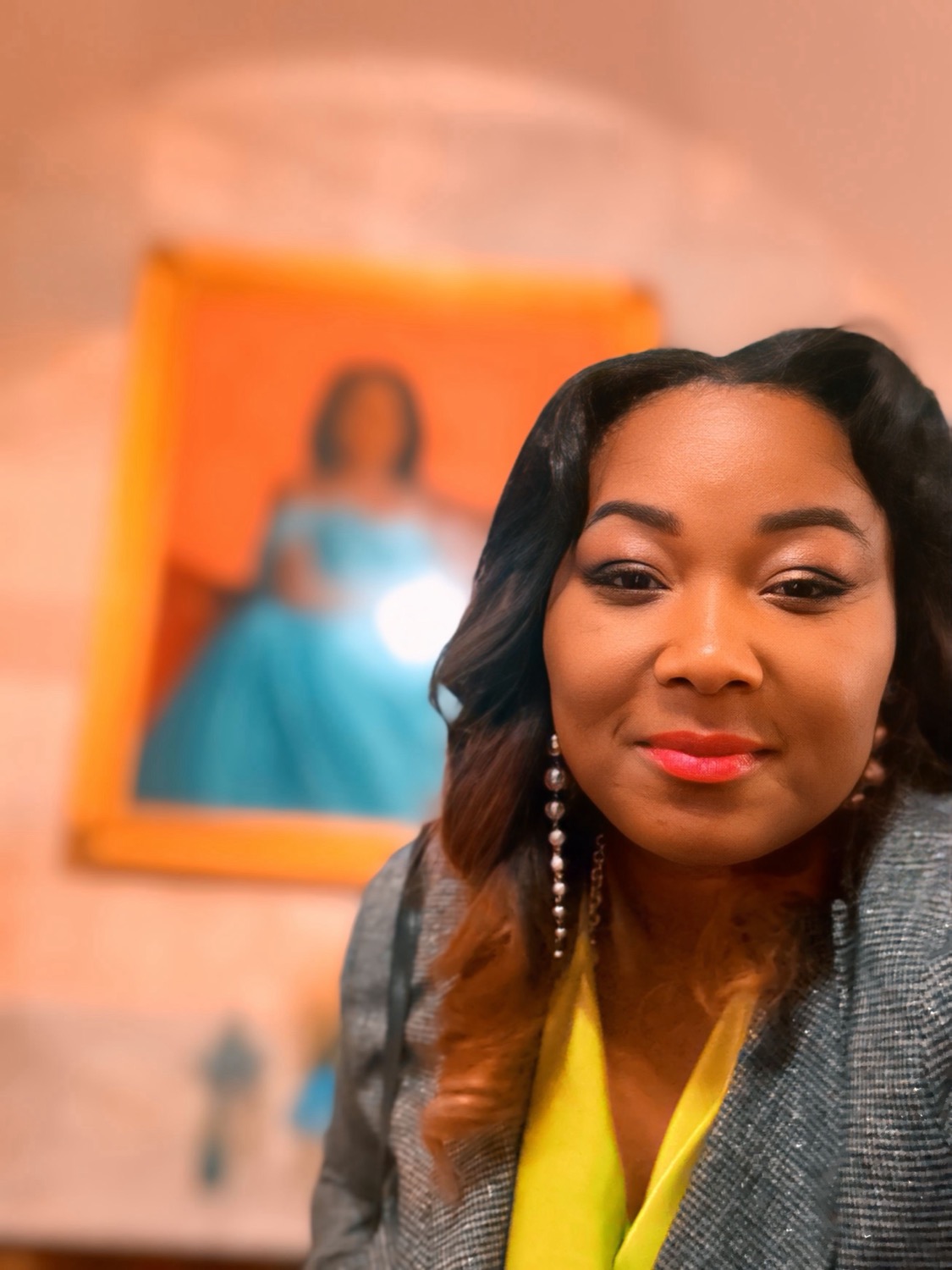
Hannah Naomi Jones
BUILDING A FUTURE ON REPAIR.
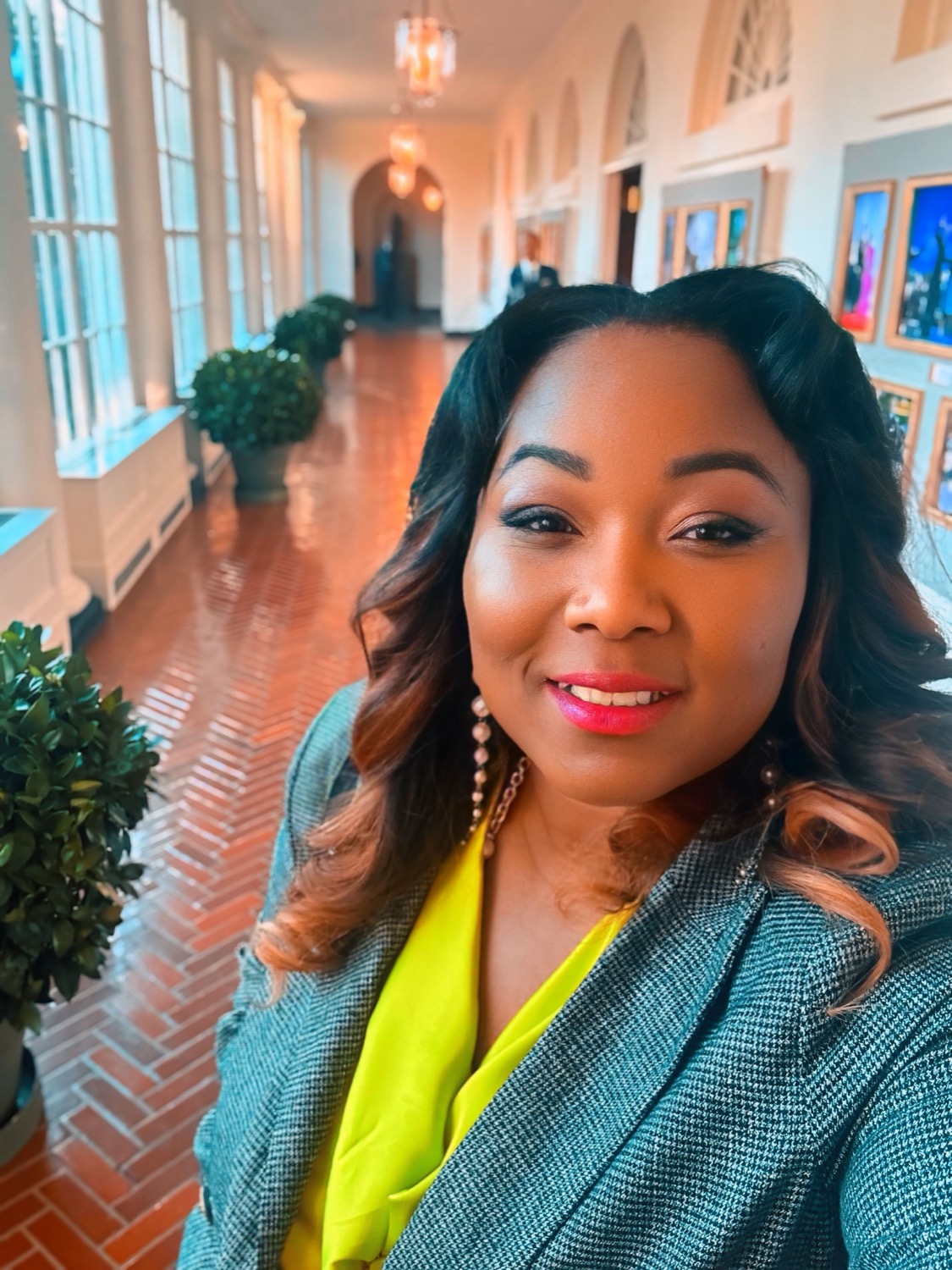
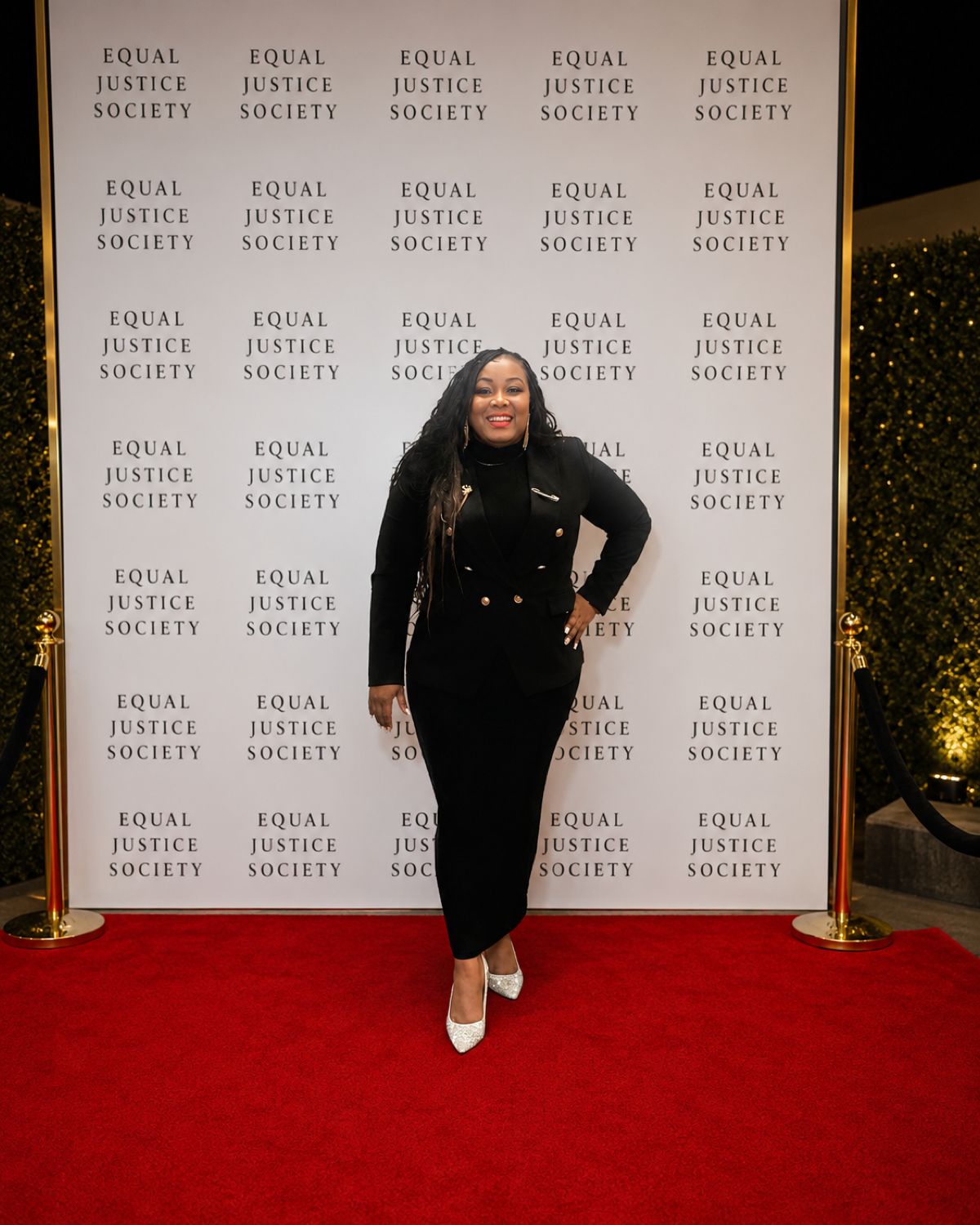
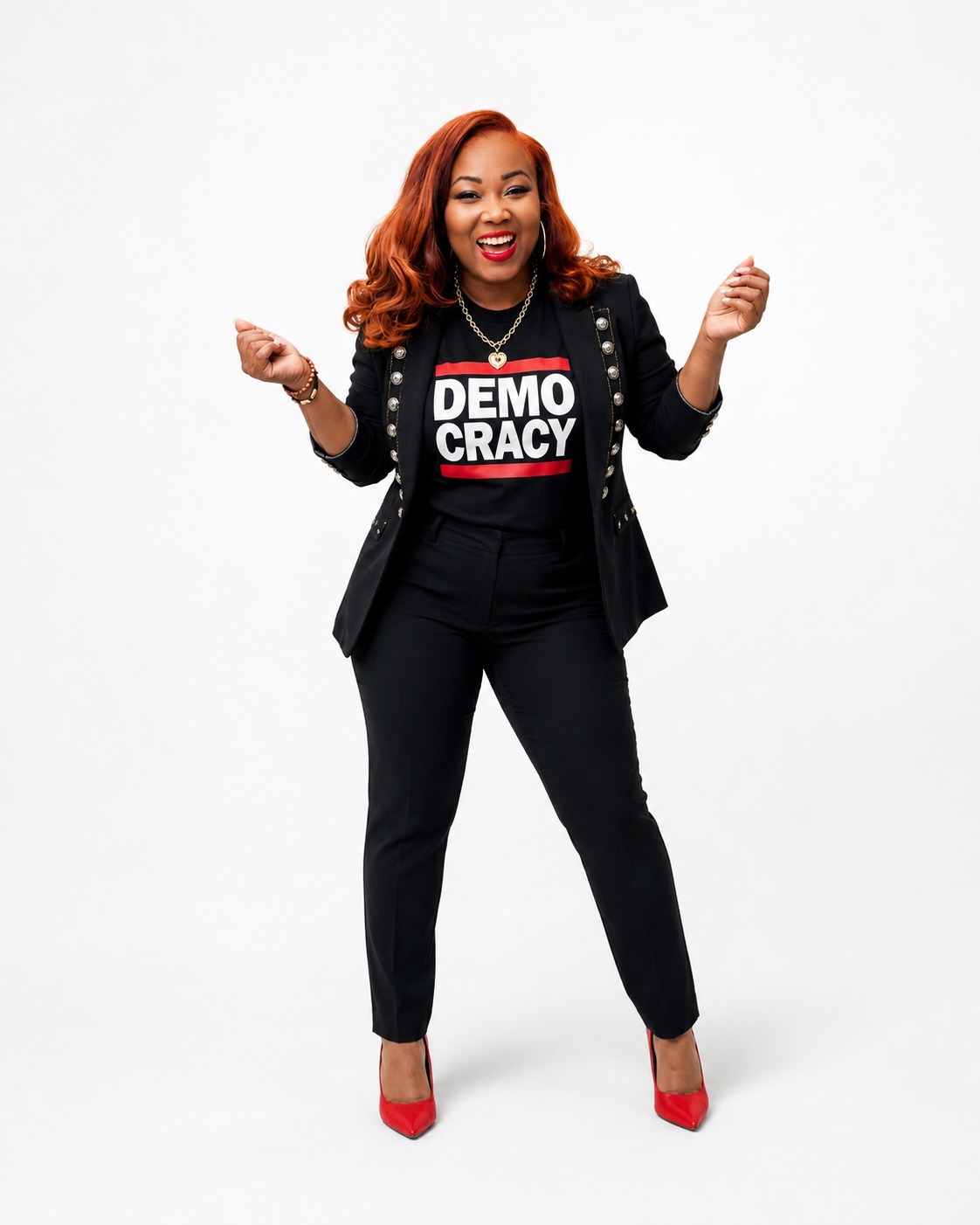
Hannah Naomi Jones powers movements at the intersection of policy, culture, and systems change, designing campaigns and strategies bold enough to confront the country's deepest harms and shape a future rooted in freedom and repair. She's on a mission to mobilize one million people to use their stories, votes, and collective power to confront harm, reach decision-makers, and win structural change.
HOW DO THE PEOPLE A SYSTEM WAS BUILT TO BREAK BECOME THE ARCHITECTS OF ITS REPAIR?
Hannah Naomi Jones has spent her life answering that question, first by surviving the conditions that shaped it, then by building the infrastructure to change them.
Before there was a League, there was a lineage.
Hannah Naomi Jones was born in Inglewood and raised across Southern California, in the Black Los Angeles tradition of faith, culture, organizing, and survival. She came of age in the afterlife of policies that reshaped Black America in real time: the war on drugs, mass incarceration, gun violence, medical neglect, poverty, and the long disinvestment of Black and working-class neighborhoods.
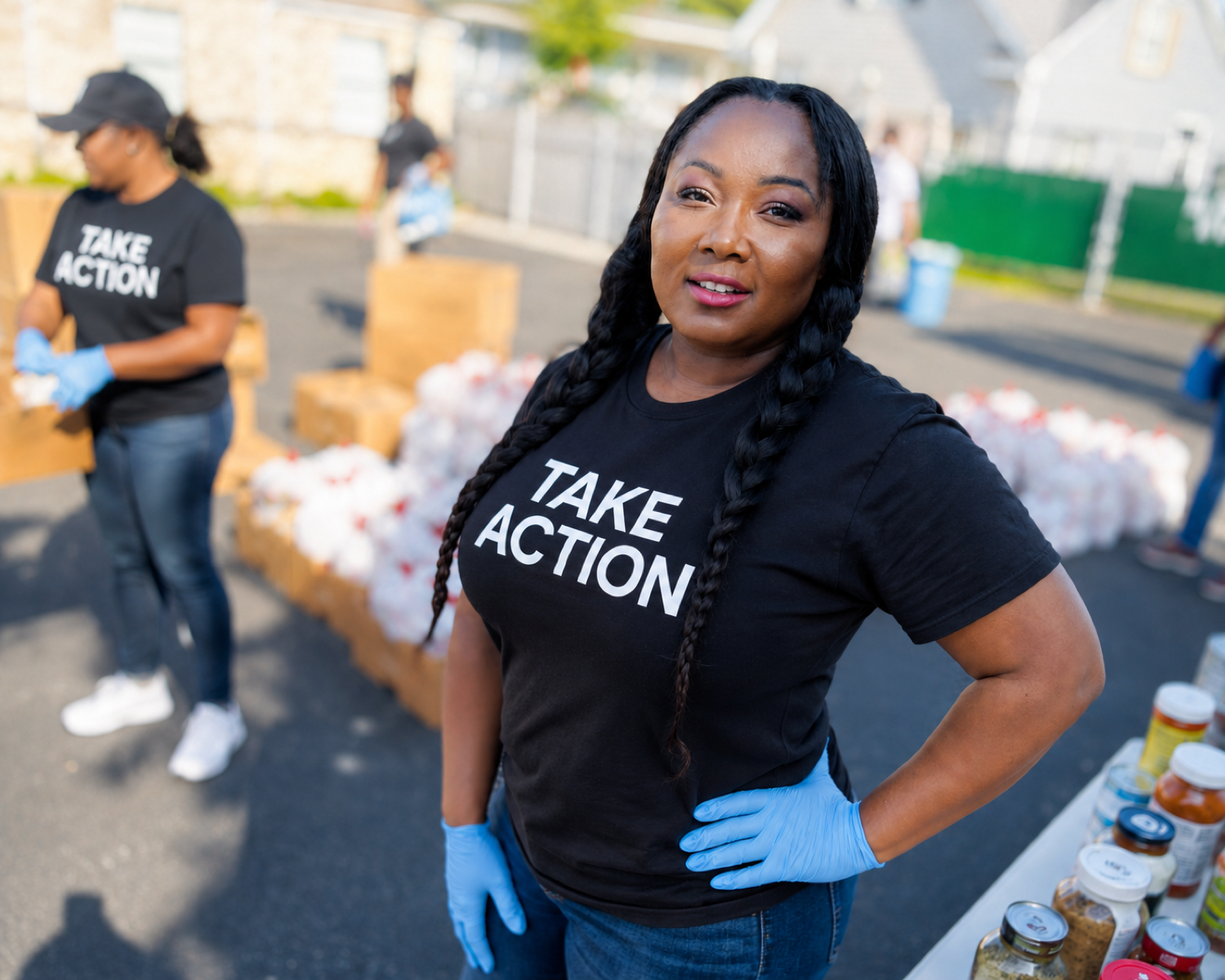
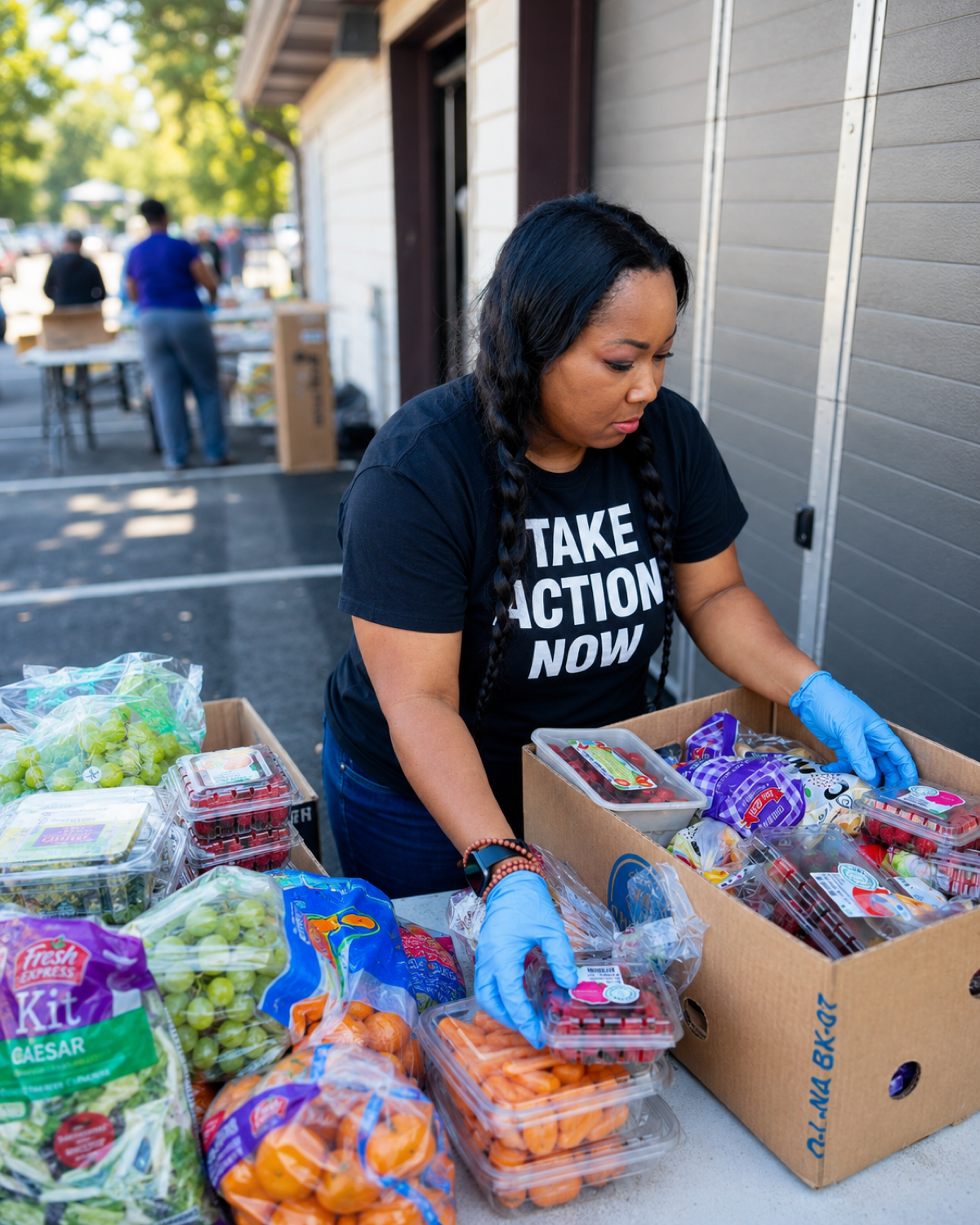
She was also raised inside a different kind of power. Her parents, Pastor Arturo Spates and Minister Patricia Spates, were minister-organizers before she had language for organizing. In their house, faith had hands. Their home became a food pantry and a safe haven; their weekends, a ministry of feeding people downtown. Their work reached neighbors, immigrants, people navigating addiction, young people caught in violence, and families standing at the edge of systems that had already failed them. They didn't wait for permission to serve, or need a title to intervene. They stood in the gap, between hunger and dignity, violence and safety, despair and possibility.
Her roots run through the Great Migration. Her mother was born in 1954 in the Jim Crow South of Arkansas; the family moved north to Pittsburgh, her grandfather working the steel mills, then west to California for better work and a better chance. Her father's family had fled Louisiana decades earlier, in the early 1900s, escaping racial terror after the lynching of her great-grandmother's husband; her father was born during the Great Depression on Skid Row. A fourth-generation Los Angeles native, Hannah now builds power between L.A. and Washington, D.C.
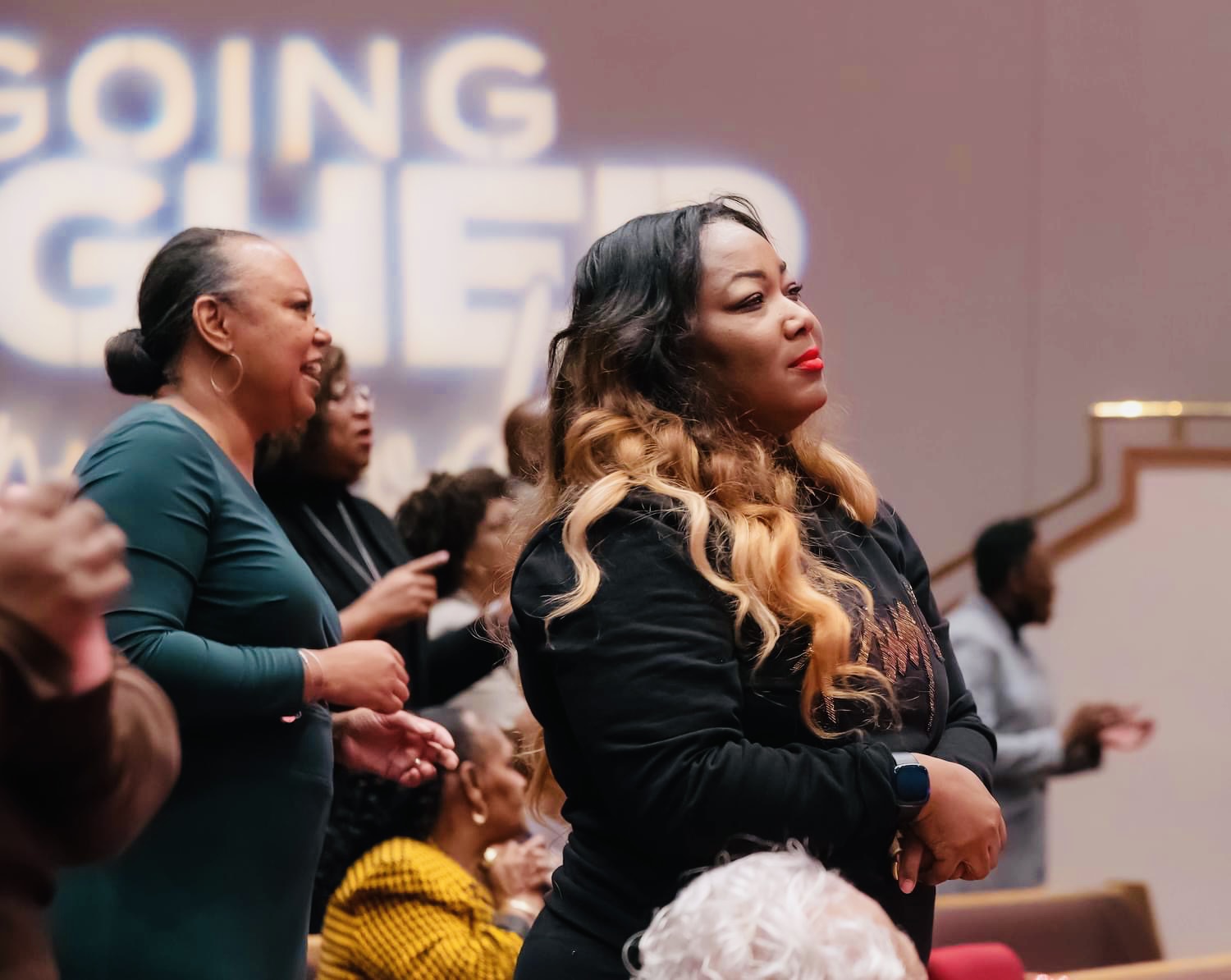
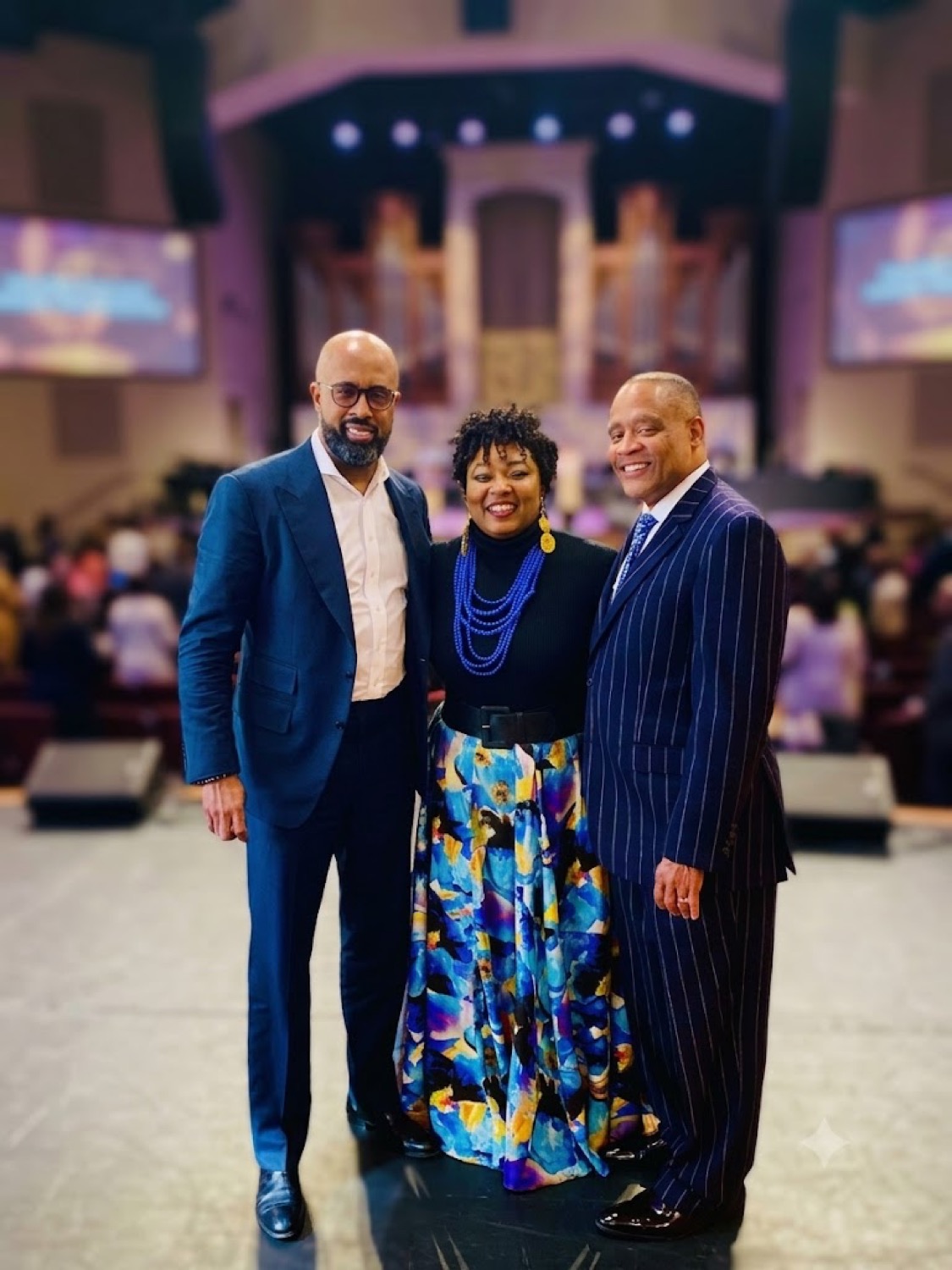
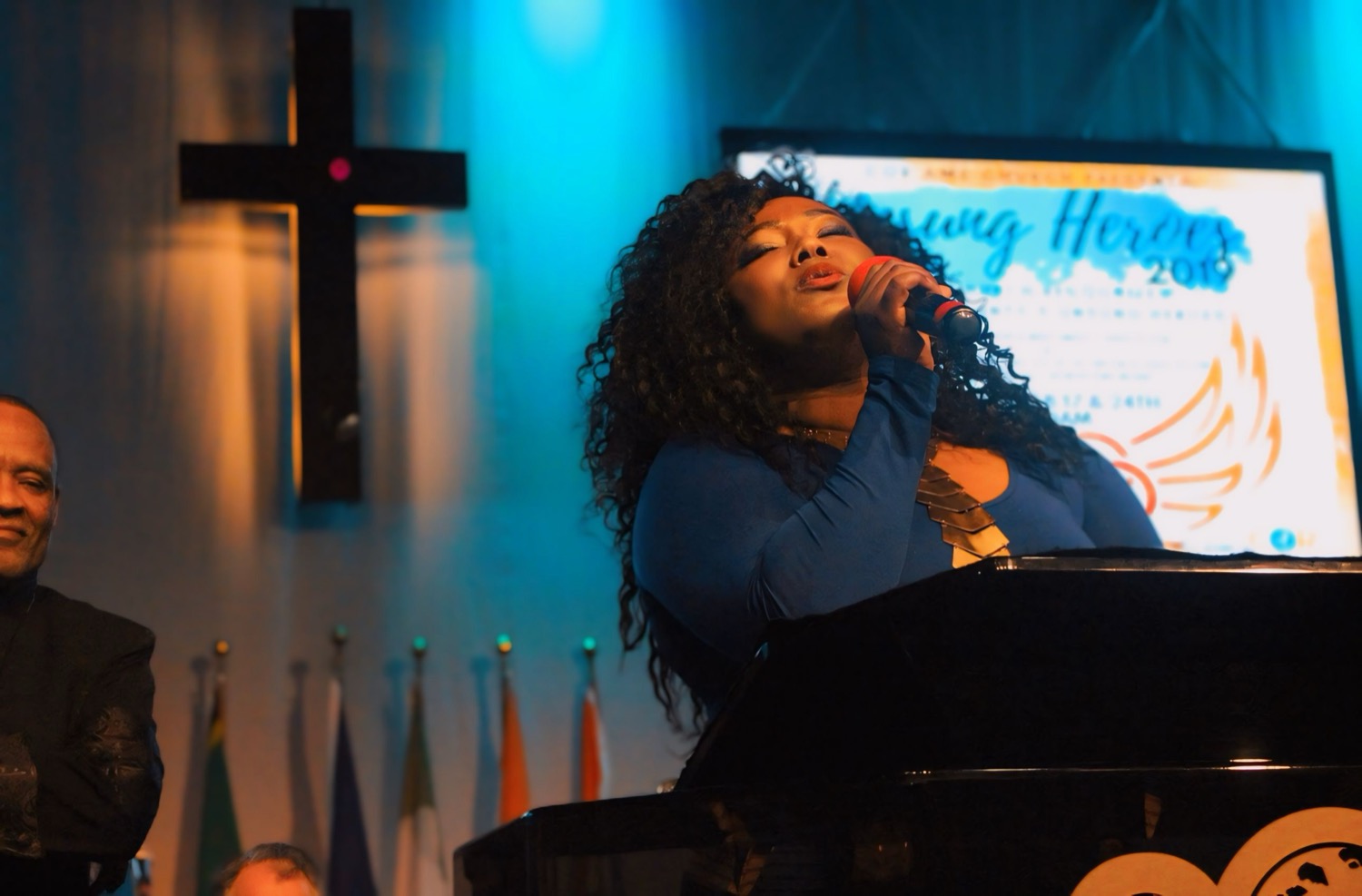
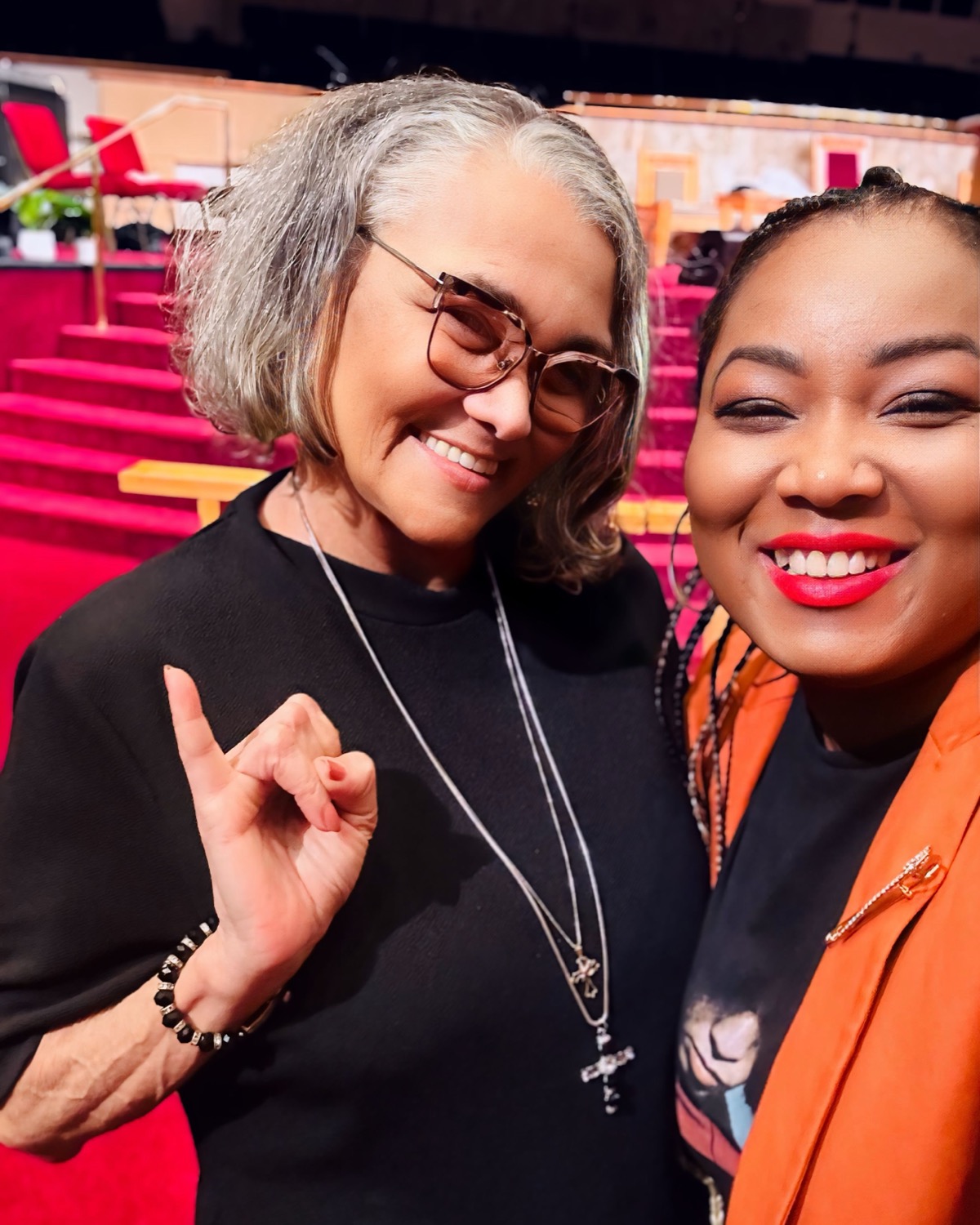
Faith shaped her before strategy did. Ordained at sixteen through her parents' ministry, San Diego for Jesus Prayer Mountain Ministries, she has never gone by the title Reverend; her ministry is the work itself. Her calling has always been justice and repair: liberation theology, culture, and storytelling, rooted in the 400-year freedom tradition of the Black prophetic church that helped raise her. A core part of her life's work is building power with that church.
That was Hannah's first blueprint for power.
Then life gave her the rest.
Gun violence entered early, shots running through the alley at night, learning to get low before she understood why, witnessing two teenage girls shot outside her home at four years old, losing family and friends to the conditions this country treats as inevitable. Years later, when her own daughter sat in a classroom the same age as the children murdered at Sandy Hook, the crisis was no longer memory. It was motherhood.
Today, firearms are the leading cause of death for children and teens in America.
The war on drugs did not pass her family by. It took uncles, through addiction, the crack and AIDS epidemics, incarceration, and the kind of grief this country rarely counts with the dignity it deserves. Poverty shaped the architecture of daily life: time, housing, childcare, health, safety, transportation, and the futures families were allowed to imagine.
Education was both wound and promise. At nineteen, pregnant with her son, she was pushed out of college without the support she needed. Years later she returned as a divorced single mother, raising her children on campus so they would never believe higher education belonged to somebody else.
Health care left its own record. At 22, in active labor, in a domestic-violence marriage, with no license and no way to drive, she called an ambulance, and a nurse scolded her that an ambulance was “improper” for labor. No gown, no socks, no blood-pressure check; she was told to walk. She found socks in a drawer, tied her robe over her contractions, and walked the halls looking for a pay phone to call for help. The nurse was removed from her case.
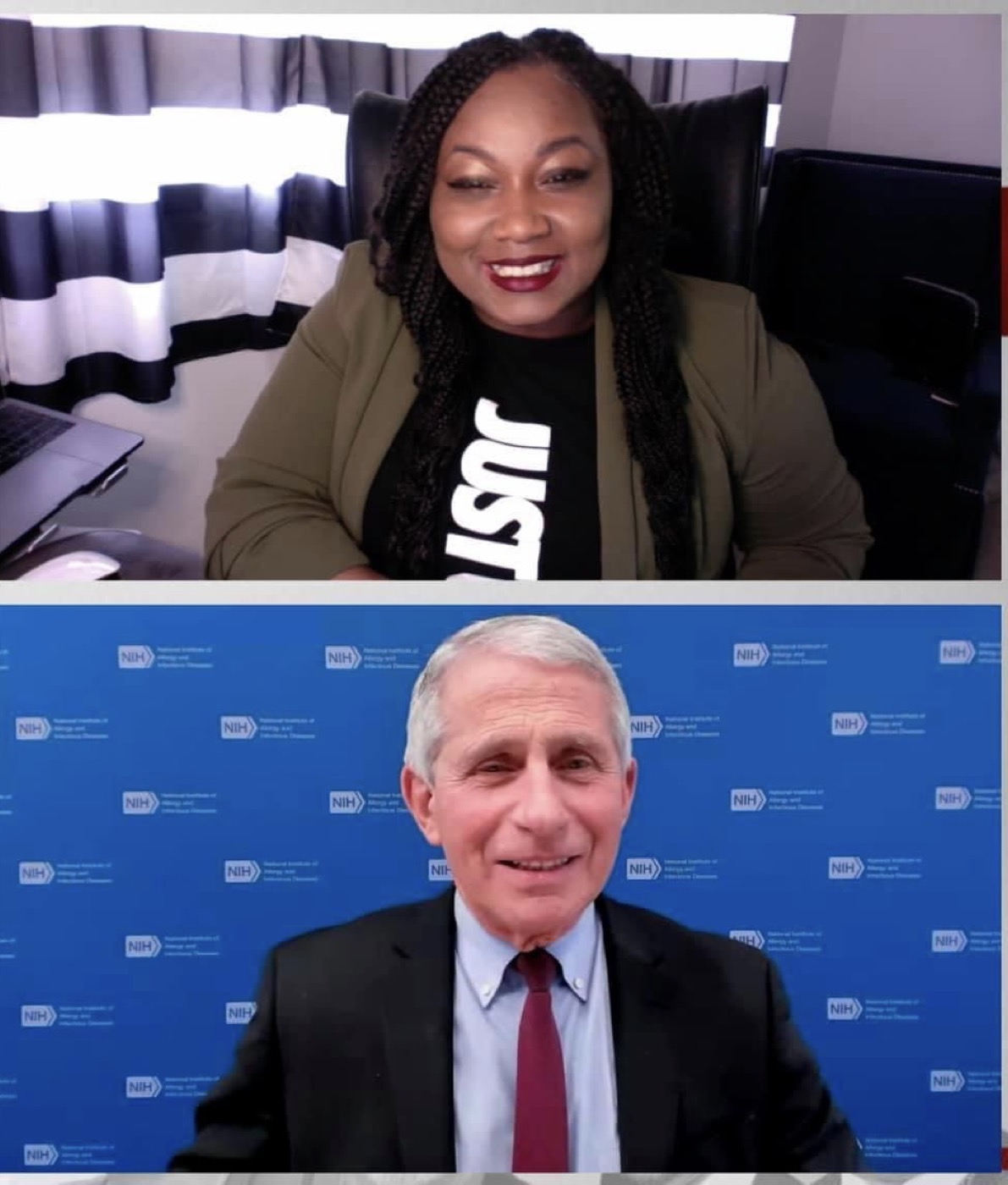
Years later, her brother, David Paul Joseph Spates, sat in an emergency room for three days before he was given a bed. By the time he reached a room upstairs, it was too late. He was 31. She has lost uncles, brothers, and cousins, too many before the age of 35, and her father, to the same systemic neglect. Hannah herself nearly died of COVID-19, then helped build a faith-rooted public-health response that protected more than 22,000 people.
Again and again, she saw the same pattern: the people closest to the harm were kept farthest from the power to change it.
Then she did the thing they tell you never to do: she told the truth. She began to tell her own story, welfare, harm, loss, the things you are taught to hide, and discovered she was not the only one. What she had carried as private shame was a public-health crisis. So she began to testify. She organized people around shared stories, and taught communities and legislators alike how to turn pain into power and center those closest to it. That is where the strategist was born.
So she built toward the opposite.
The Advocacy League was born from that truth, a home for people tired of being told what is broken and ready to build the power to change it. A place to turn pain into purpose, purpose into strategy, strategy into action, and action into repair. A place to learn how government works, understand your rights, organize around what you share, tell the truth before the systems tell it for you, reach decision-makers, and move together at scale.
Democracy does not defend itself. Rights do not protect themselves. Repair does not arrive without power. And power begins when people know what they carry.
Know your power. Build your power. Wield your power. Leverage your power.
That is the work of The Advocacy League: building people power, advancing democracy, and repairing our nation.
From pain to power
She didn't study injustice. She survived it, then built the power to change it.
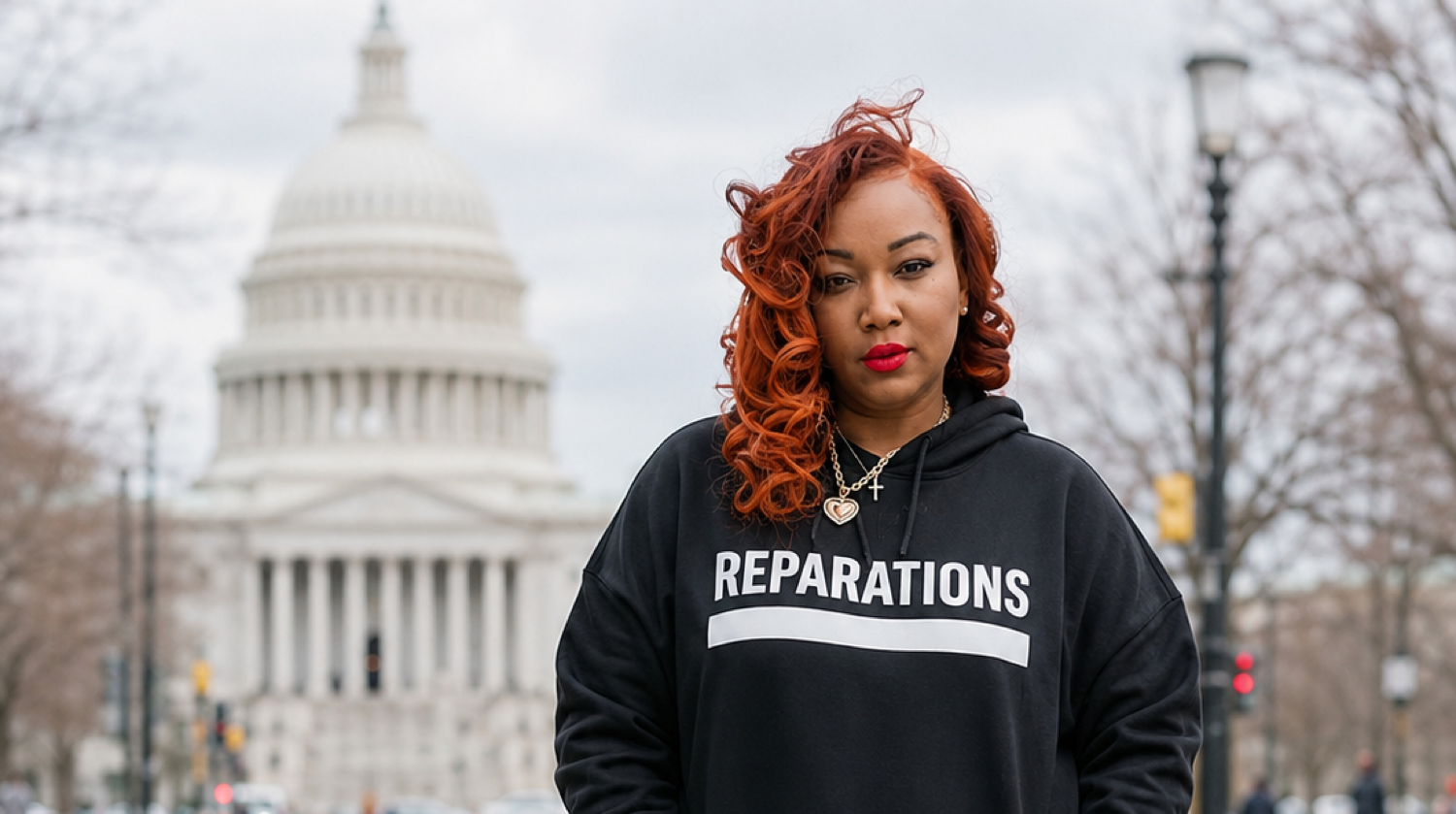
A FUTURE WHERE EVERYONE HAS THE POWER TO THRIVE.
Hannah Naomi Jones is building toward vibrant, just, equitable, healthy, and sustainable communities, places where people don't just survive systems, but shape them. Repair is the bridge between the harm this country has normalized and the future our communities deserve.
That is why she is calling for a 28th Amendment, to finish Reconstruction, protect civil and voting rights, close the loopholes that keep exploitation alive, and write repair into the constitutional future. If anti-Blackness was embedded in the founding architecture, repair cannot stay temporary, symbolic, or optional. It must become governing infrastructure.
Close your eyes and feel where we are now, the fear, the rollback, the sense that the walls are closing in. Now picture the other side: rights protected, power shared, culture telling the truth, public systems accountable to the people they were built to serve. Open your eyes. Let's build it.
The future belongs to those who want to improve it.
Stand for the 28th →EMPOWER COMMUNITIES. SHIFT CULTURE. PASS POLICY. ALL AT ONCE.
Her method is simple and disciplined: empower communities, influence policy, and leverage culture for norm change. The people closest to harm carry the truth systems try to bury, storytelling gives that truth language, organizing turns language into collective power, culture moves what people believe is possible, and policy makes change enforceable. That is why her work never separates advocacy from narrative, civic education from campaigns, or culture from law. The lanes move together, because durable change requires power in more than one place.
A story is what happened. A narrative is the frame, the meaning, the moral claim, and the call to action. Narrative is power.
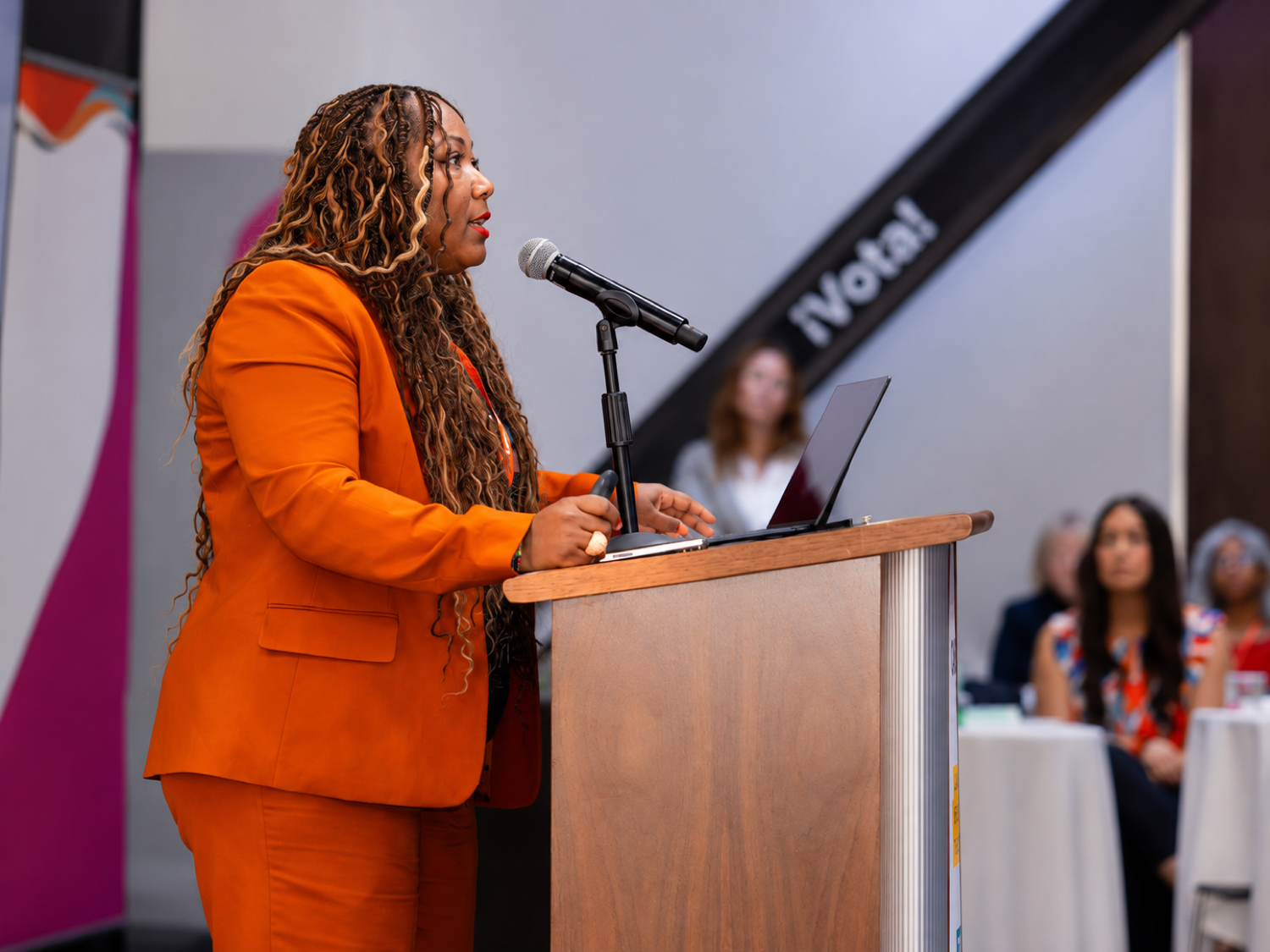
THE ADVOCACY LEAGUE IS THE INFRASTRUCTURE.
She didn't just run campaigns. She built the place that outlasts them.
The Advocacy League is a national hub for people ready to turn concern into action, and action into repair. It gives people a place to learn their power, build with others, take civic action, shape public narrative, organize around the issues touching their lives, and reach decision-makers with force and clarity.
Through civic readiness, digital organizing, campaigns, narrative power, and repair-centered advocacy, the League helps people do what systems too often train them not to do: act together.
Digital advocacy is how we mobilize. Collective power is how we win.
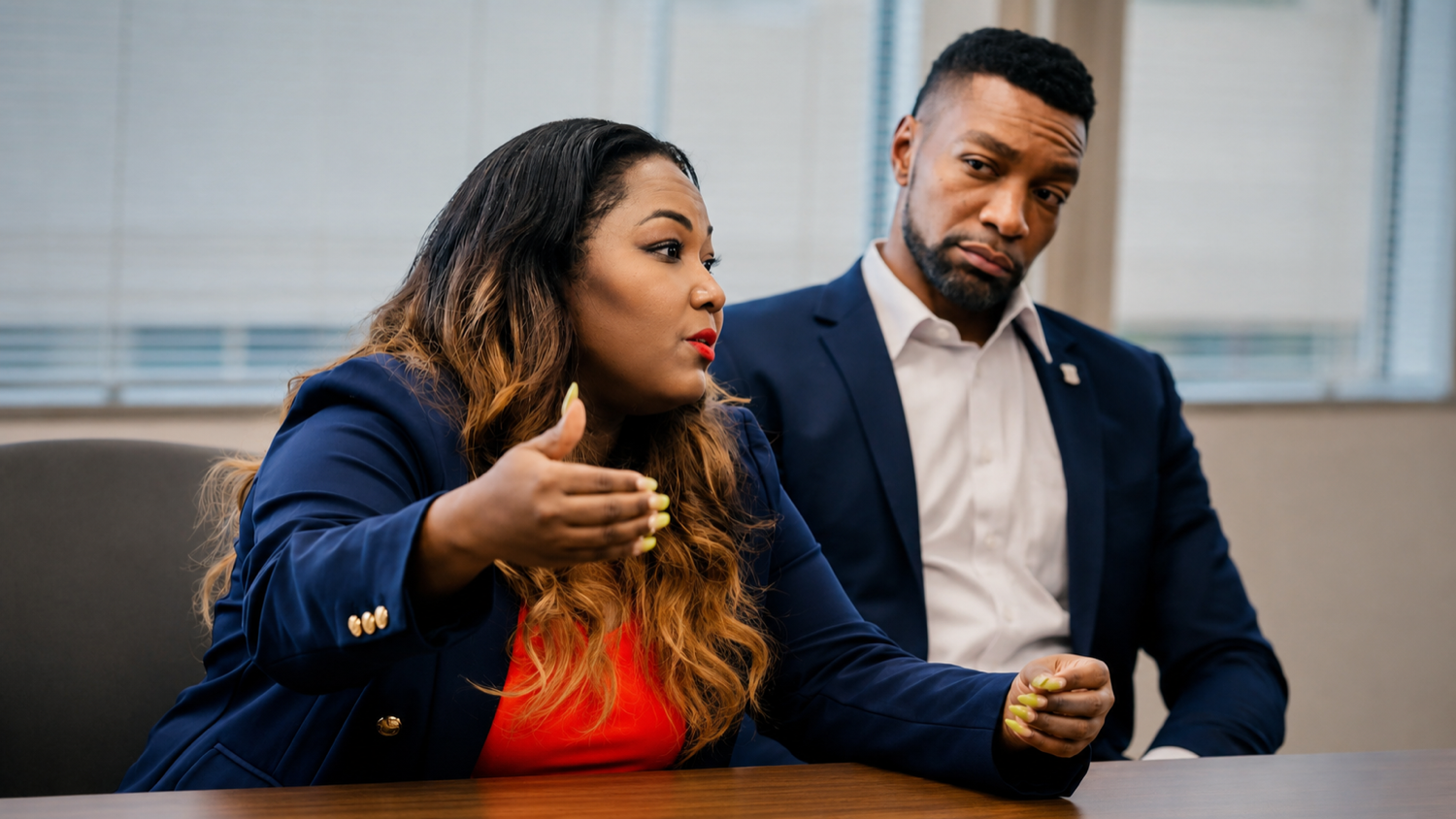
FIGHT VOTER SUPPRESSION HEAD-ON.
People aren't apathetic. They were never handed the map.
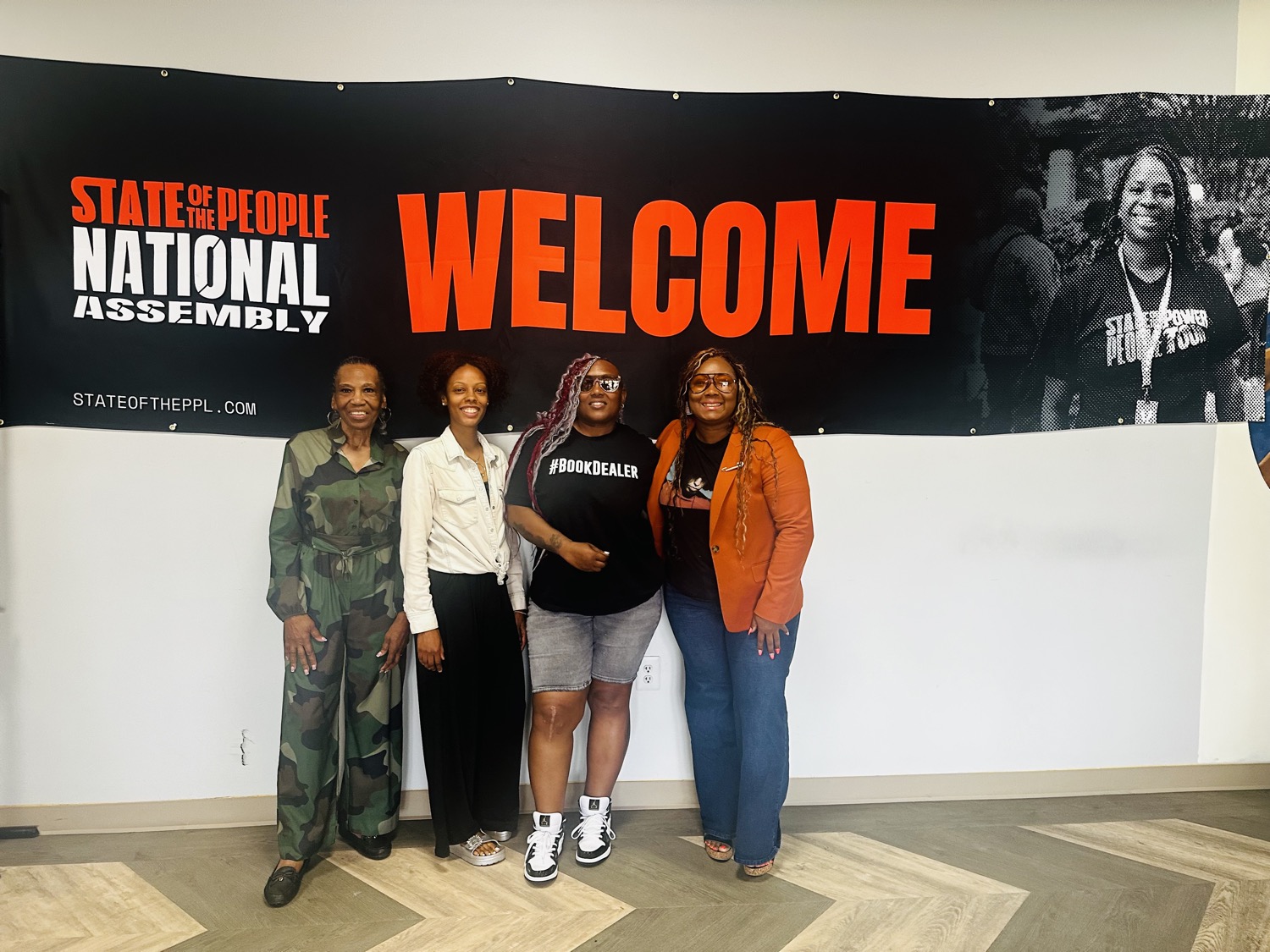
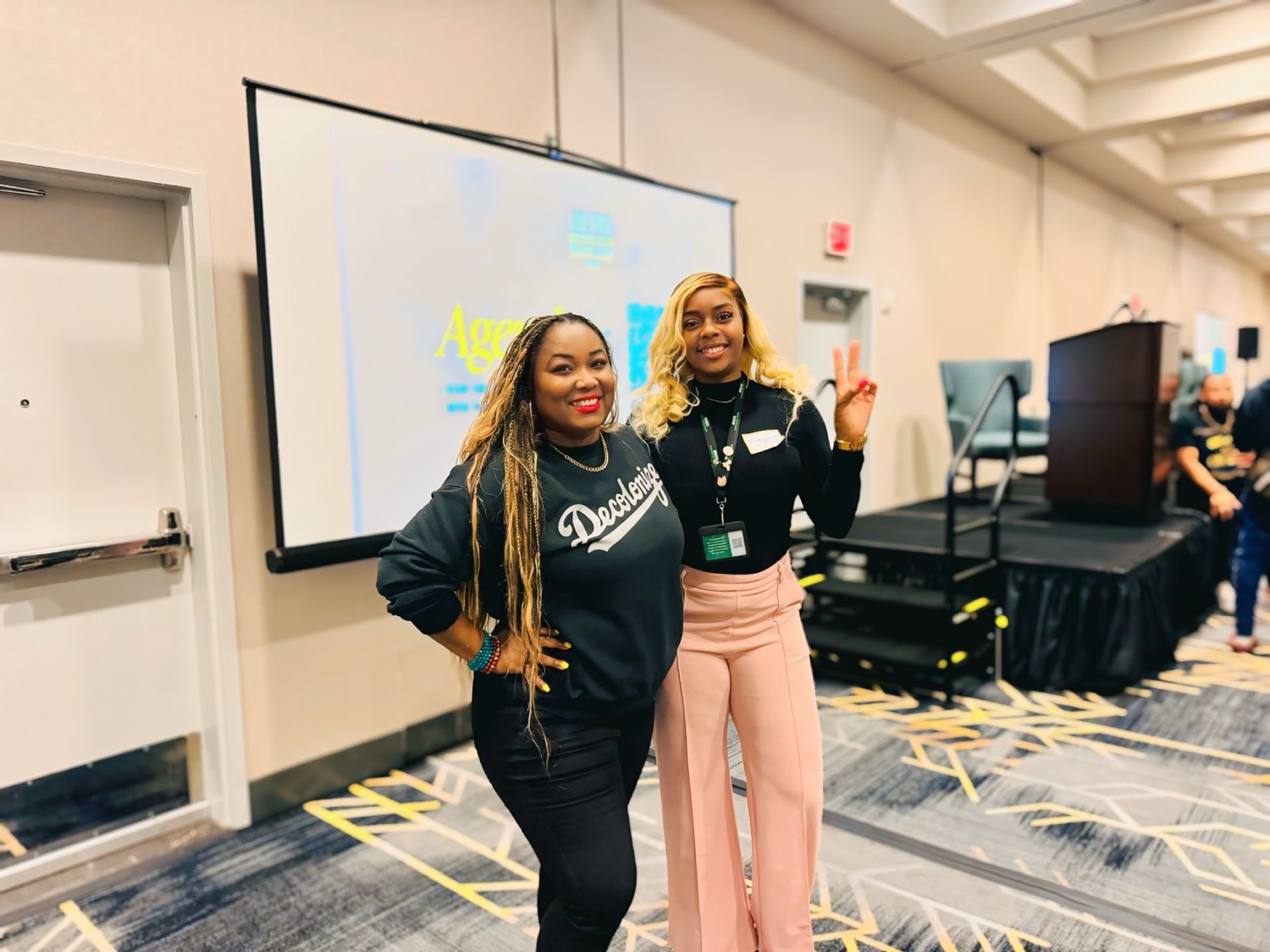
Most people were never taught how power actually works, how to call a legislator, what a letter can move, how suppression operates, or that the people in office are meant to serve them. Canvassing across the country in 2024, Hannah saw it everywhere: people ready to act, missing only the map.
Free and fair elections can no longer be taken for granted, and giving up our power is never the answer. We make it fair. We make it free. Civic Ready puts the tools of civic power directly in people's hands, at scale, so suppression is met head-on, not from the sidelines.
Civic power must be taught before it can be mobilized.
Know your power. Build your power. Wield your power. Leverage your power.
Get Civic Ready →BECAUSE HARM DOESN'T HAPPEN IN SILOS. NEITHER CAN REPAIR.
The Big 12 Justice & Freedom Agenda exists because the issues shaping people's lives are connected: public safety, economic justice, criminal justice, democracy, health, reproductive freedom, education, housing, environment, technology, narrative power, and immigration.
A family navigating gun violence may also be navigating poverty, housing instability, medical neglect, school inequity, criminalization, and voter suppression, all at once. The League gives people a way to find their issue, understand the system behind it, and act on it with others.
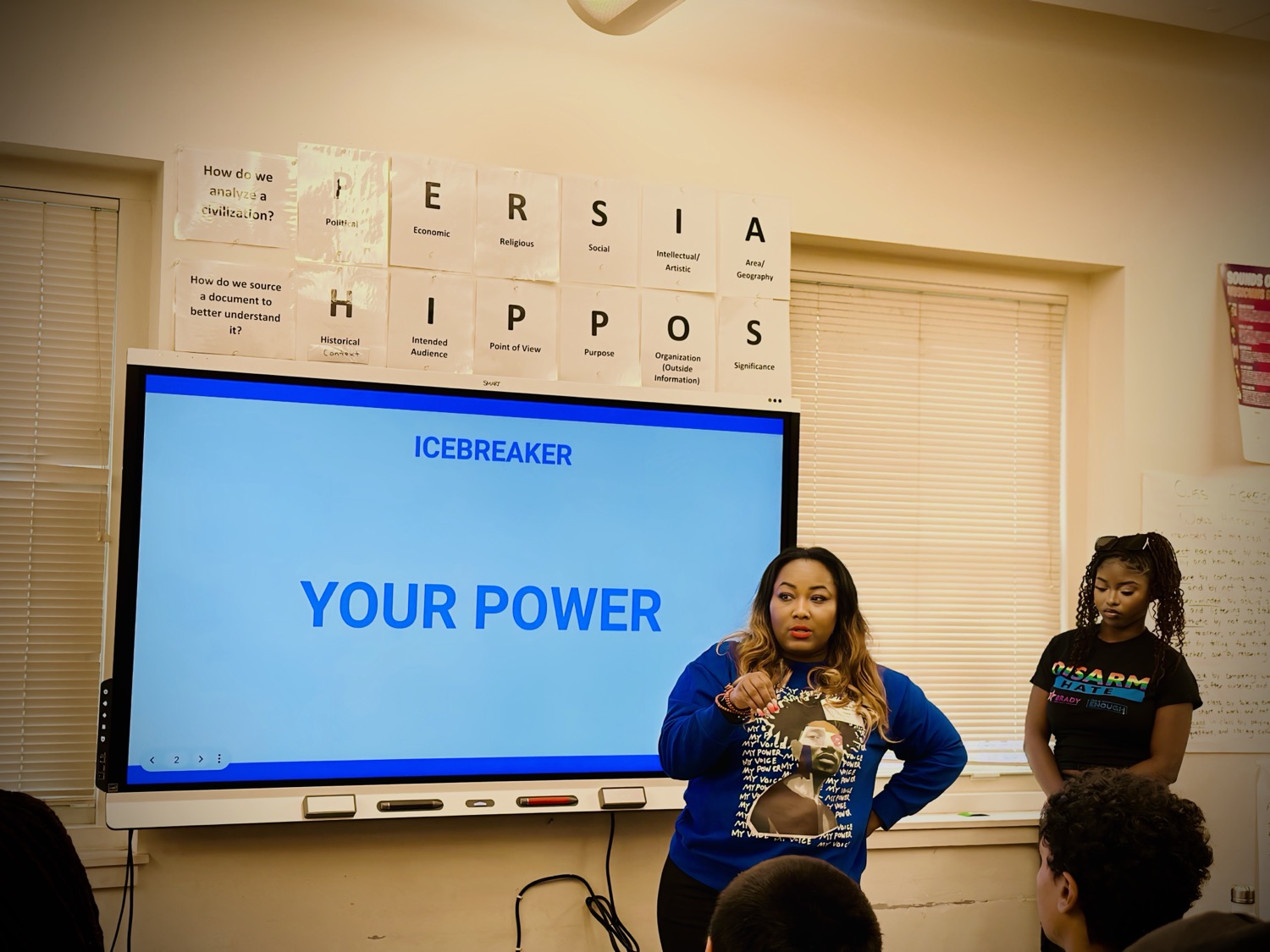
SHE BUILT THE SAFETY NET SHE NEVER HAD.
The system never built a net for her, so she built one for everyone behind her.
Her education-equity architecture was built from lived experience inside a broken system. A first-generation college student, she dropped out at 19 and didn't return until 25, a single mother of two, with no childcare, no mentors, no retention safety nets, no structure that saw her as worth keeping. That absence became her calling.
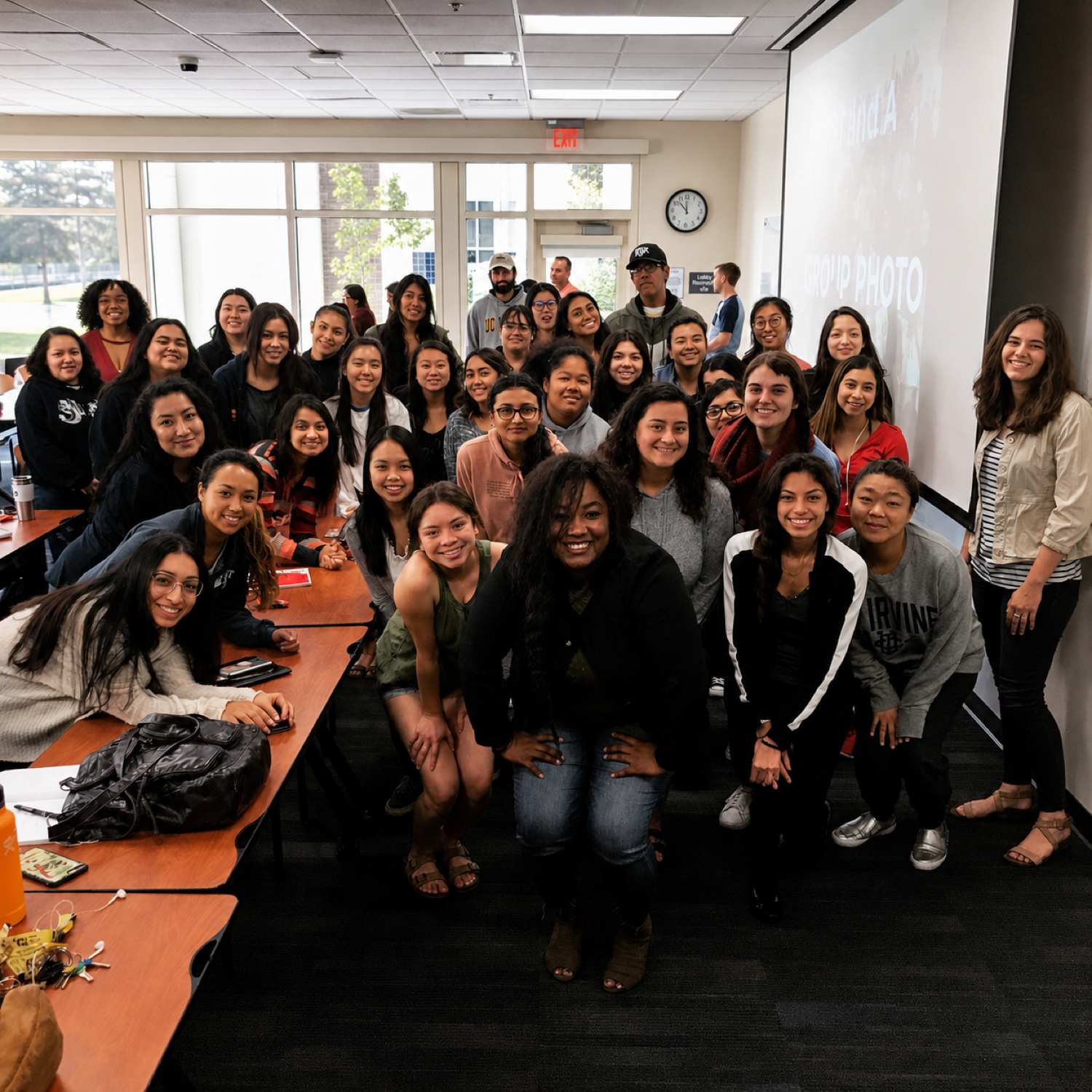
Education is a right, not a privilege reserved for those the system was designed to serve. So she built the very frameworks she once needed. At UC Irvine, she led student outreach and retention for a 30,000-student campus and 29 staff, and co-built a swipe-card data system that exposed where students were really struggling, food, finances, academics, then used that data to prove the case for 30 years of funding and to make the center the hub uniting every student-affairs office. She co-led the launch of the Ujima Center at Bowie State, a U.S. Department of Education–funded pipeline for Black school counselors, advanced Maryland's Universal Pre-K through faith organizing, and designed and launched R.A.C.E., which raised fourth-grade literacy confidence by 80 percent and struck at the school-to-prison pipeline before it could start.
It is the same arc that carries her now. She began her policy journey reading and scoring grants for the U.S. Department of Education, and today she is in grad school, completing a Master of Legal Studies in U.S. Legislation at American University's Washington College of Law. Policy is written, then regulated, then implemented, and at every step, harmful policy lands on real people in real cities and states. She is studying legislation to work with lawmakers to write effective, humane policy and carry constituents' stories into the room where the rules are made. That architecture is carrying forward into The Advocacy League Power School™, which she is now launching, with the Digital Advocacy & Organizing Institute™ for youth and Advocacy U™ for adults (coming soon).
Education isn't a favor the system grants. It's justice, and the infrastructure freedom requires.
IMPACT, NOT INTENTION.
0+
voters reached through faith networks in Win With the Black Church
0
phone calls to voters in one 90-day push, plus 503,831 texts and 193,334 doors knocked
0+
Black churches mobilized across 13 states
0+
letters to legislators that helped pass California reparations, SB 518 & SB 437
0+
people protected at the first faith-based vaccination clinic she built in Maryland
0+
bills shaped across 100+ campaigns, and a 2025 Anthem Award
None of these are solo numbers. Each is a method, a coalition, and a community moving together.
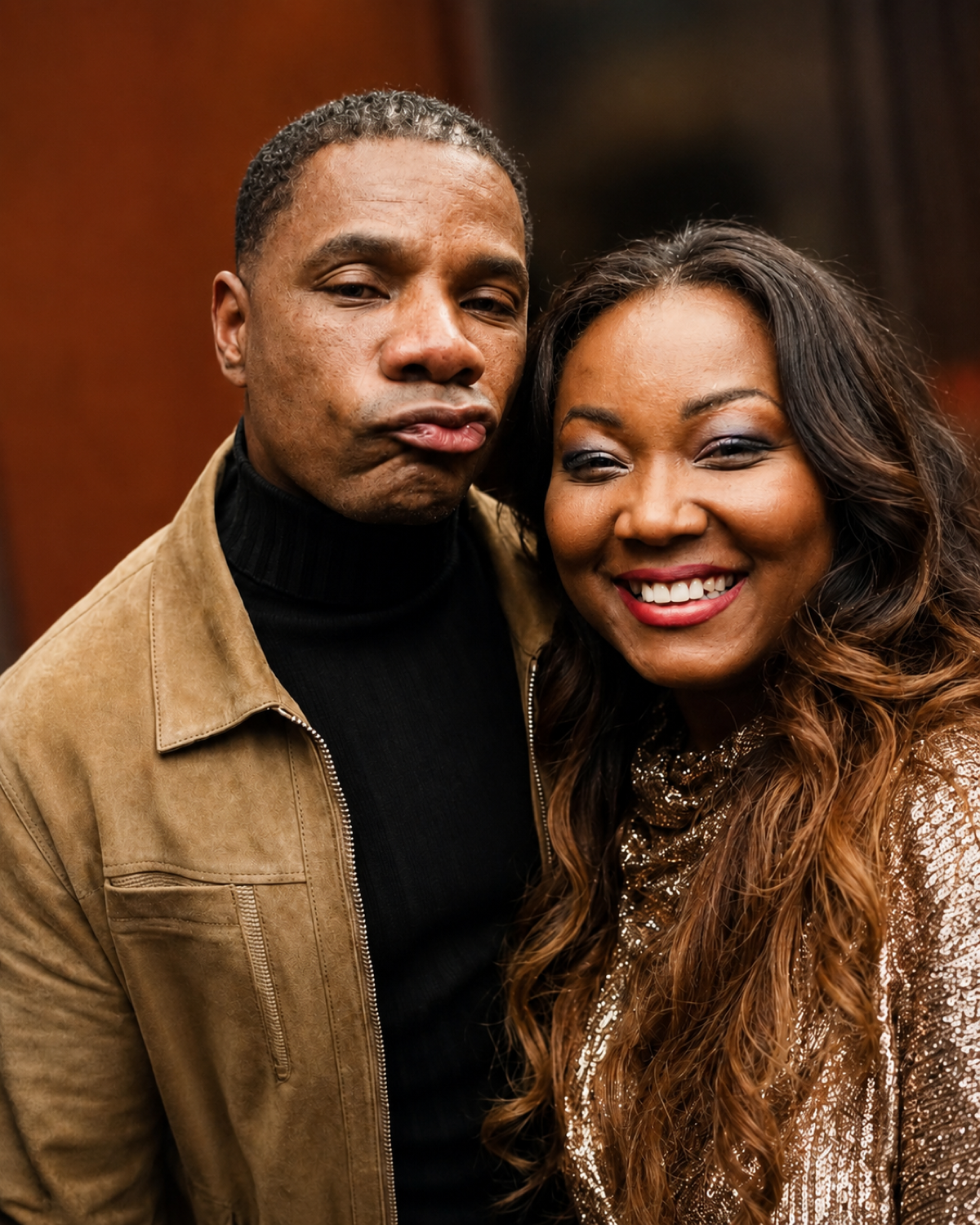
Win With the Black Church (2024). At Black Church PAC, she authored the GOTV strategy and built the data tools, infrastructure, and national training behind a faith-rooted, 90-day mobilization that became one of the most expansive Black voter-engagement efforts of the year, reaching 1,000,000+ Black voters across swing states, supporting 1,500+ churches, and powering 193,334 door knocks, 952,769 calls, 503,831 texts, and 14,736 sign-ups. With Vote.org and Live Nation on the Kirk Franklin Reunion Tour, she brought voter participation into music and faith spaces, verifying 10,000+ voters and mobilizing 500+ volunteers. The toolkit earned a 2025 Anthem Award, became an NGP VAN national case study, and anchored her Netroots Nation 2025 main-stage session.
California's historic reparations fight. She designed the state's largest digital policy-advocacy infrastructure for repair, action portals, toolkits, scripts, videos, and narrative strategy, collectively, with core team and coalition partners, generating 14,000+ letters across the legislative cycle and a rapid-response surge of 8,000+ messages to Governor Newsom in two weeks. The result: two historic wins in October 2025, SB 518, the nation's first Bureau for Descendants of American Slavery, and SB 437, building the state's genealogical eligibility methodology.
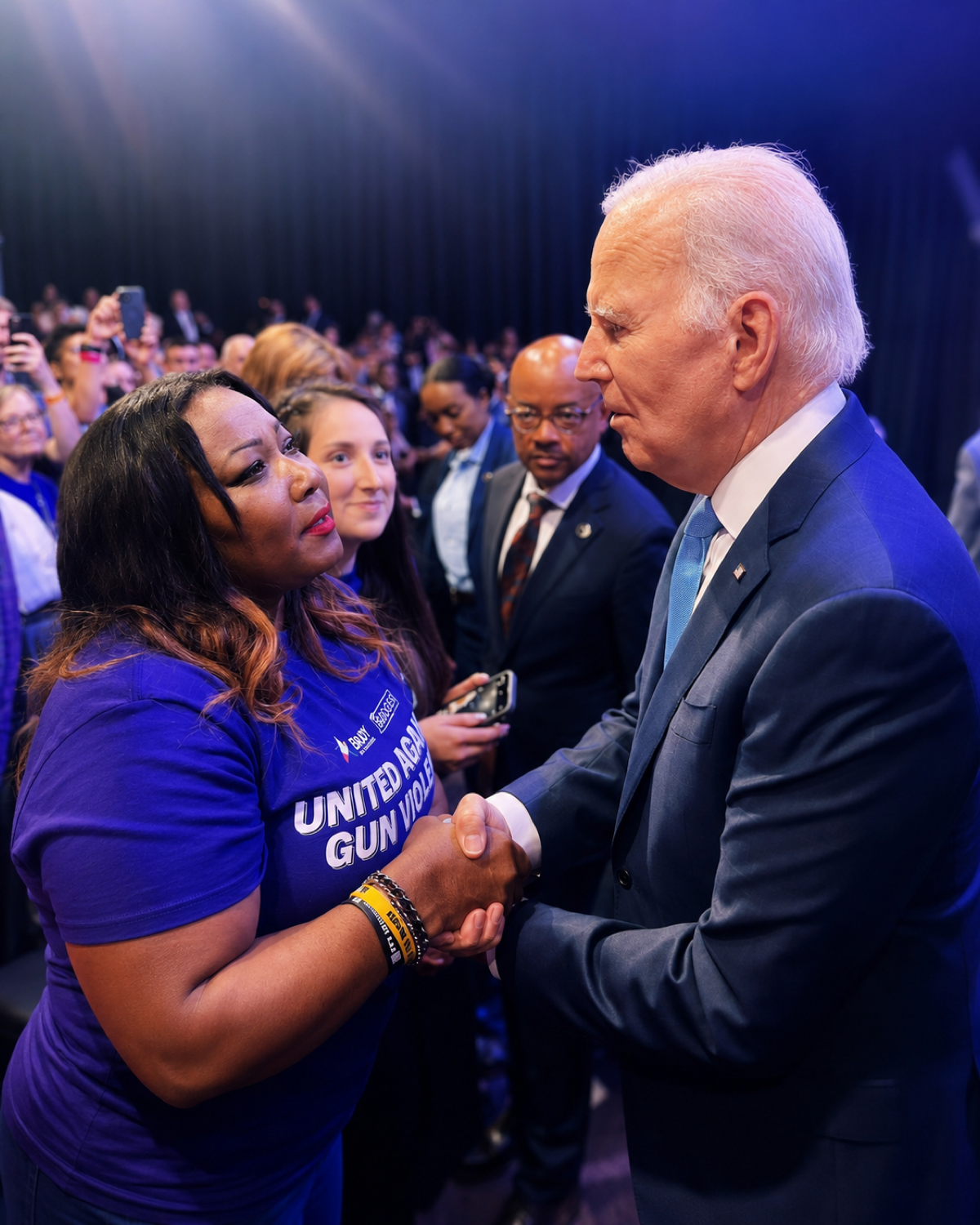
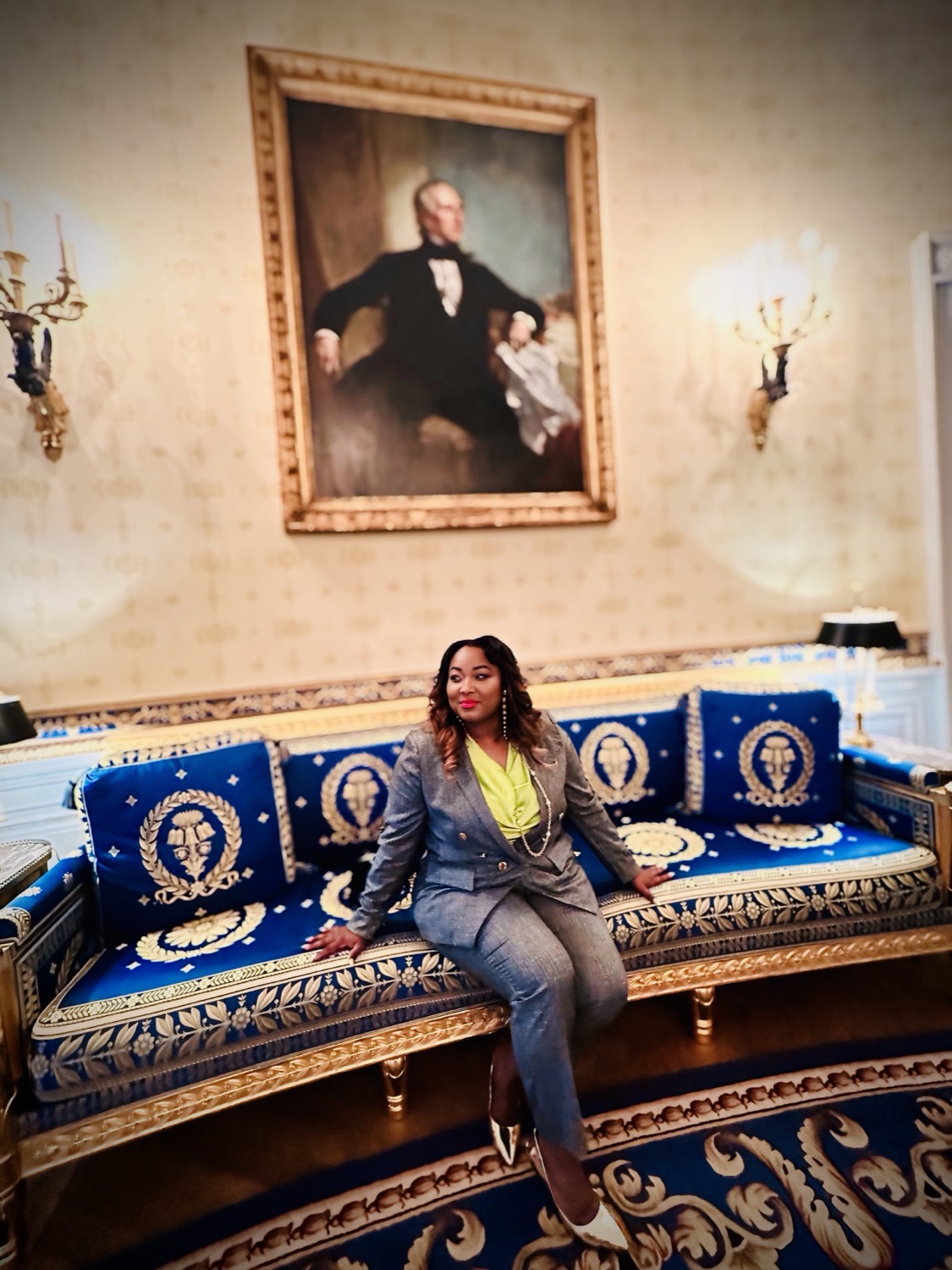
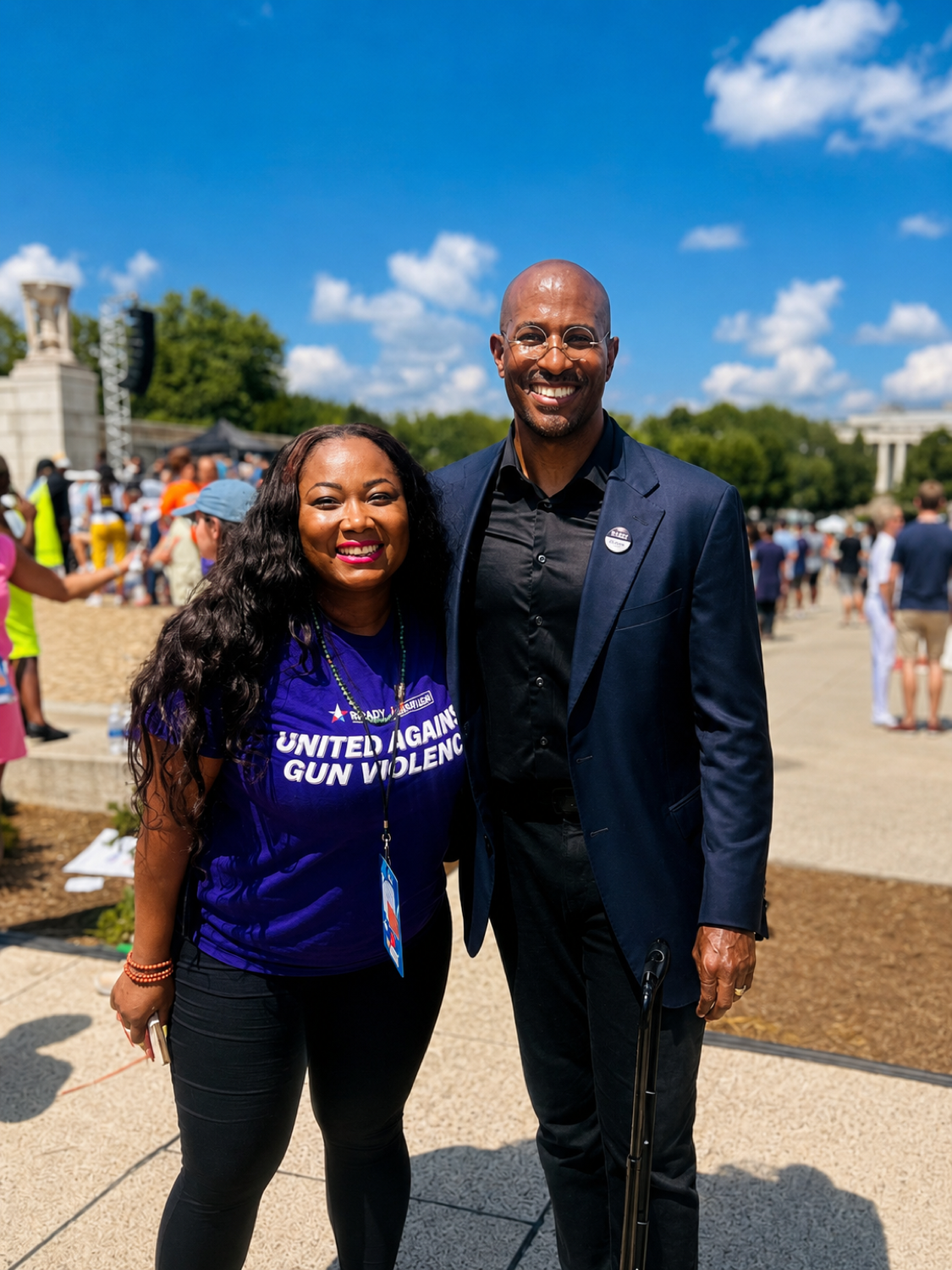
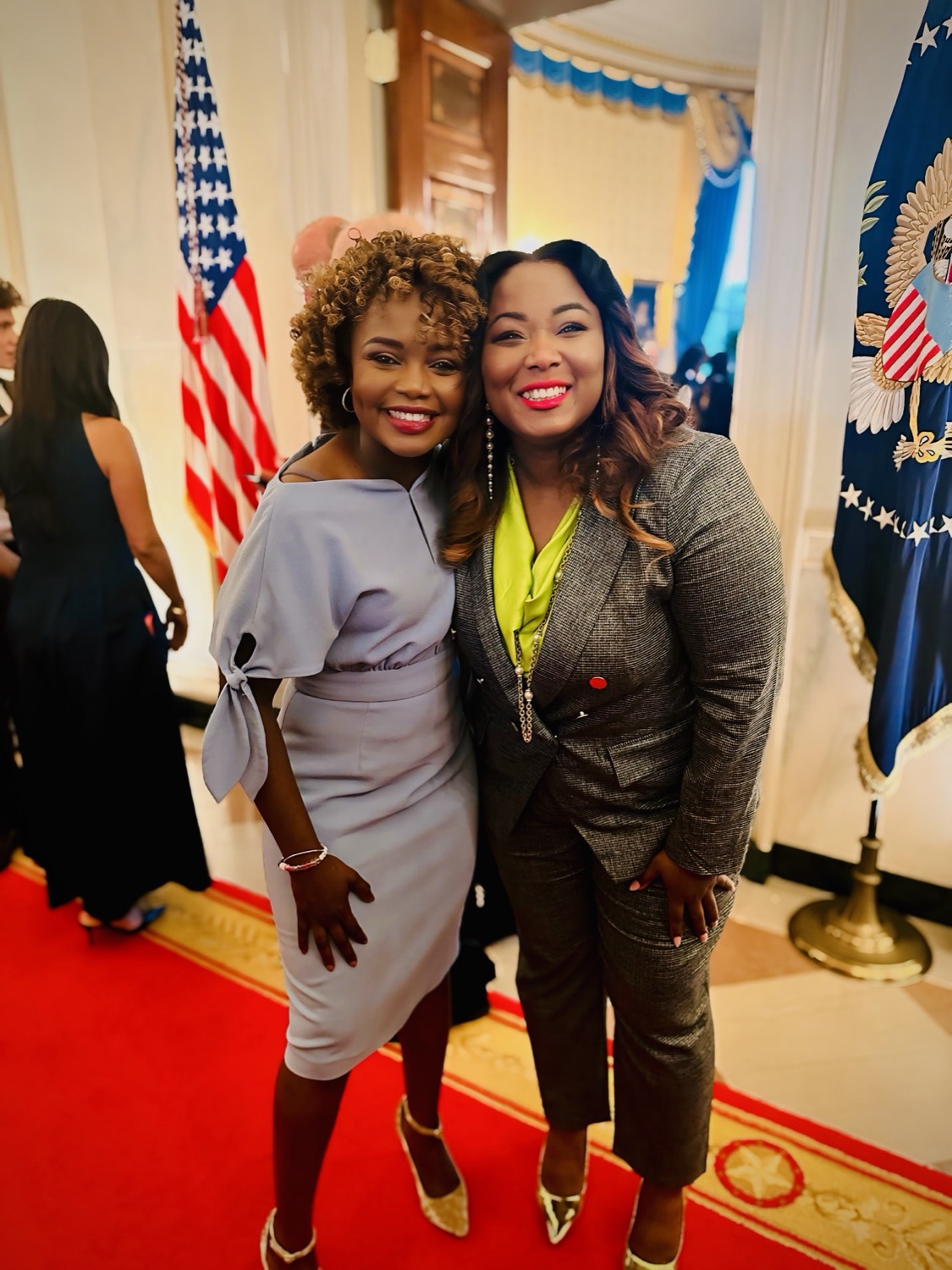
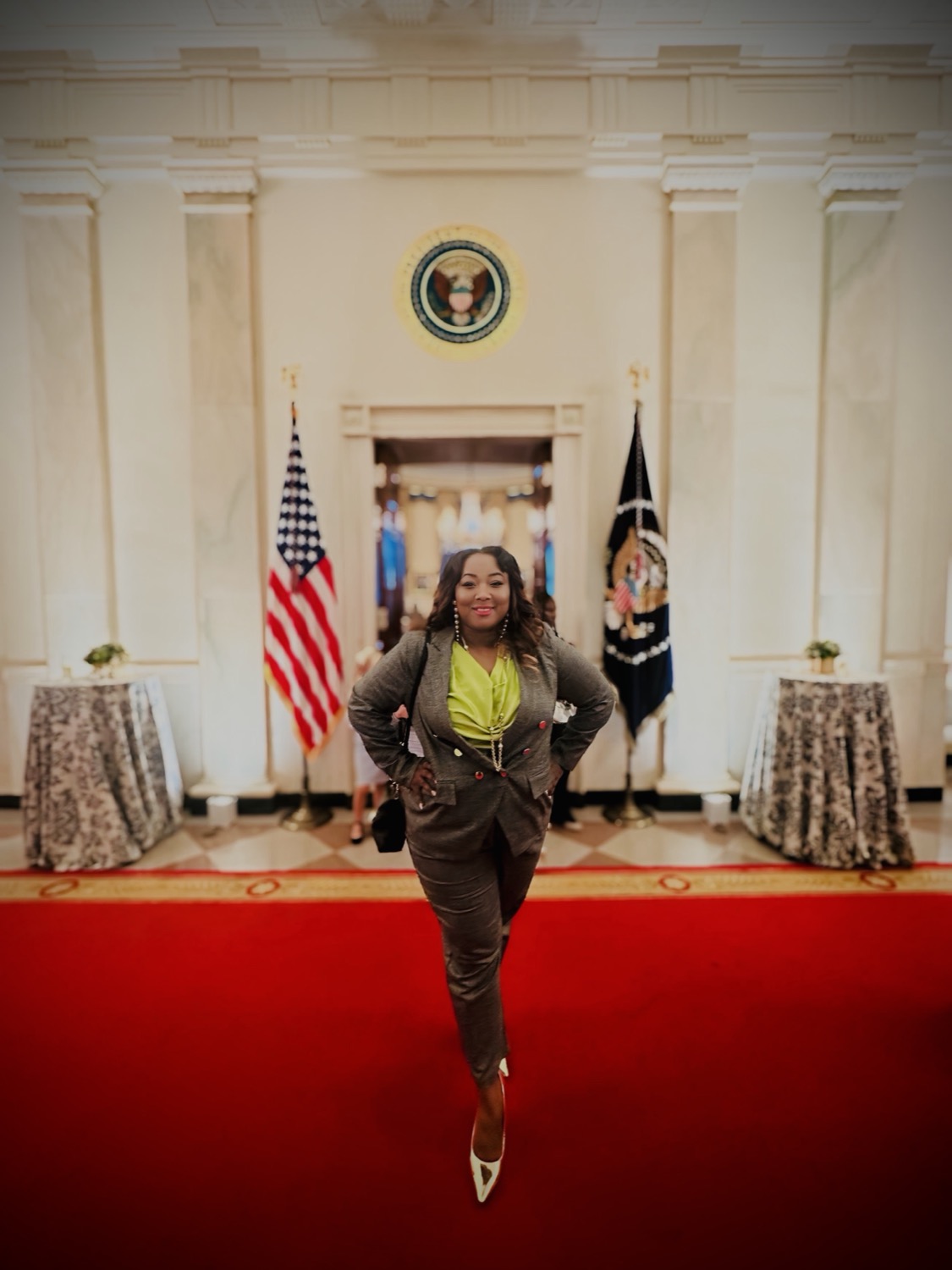
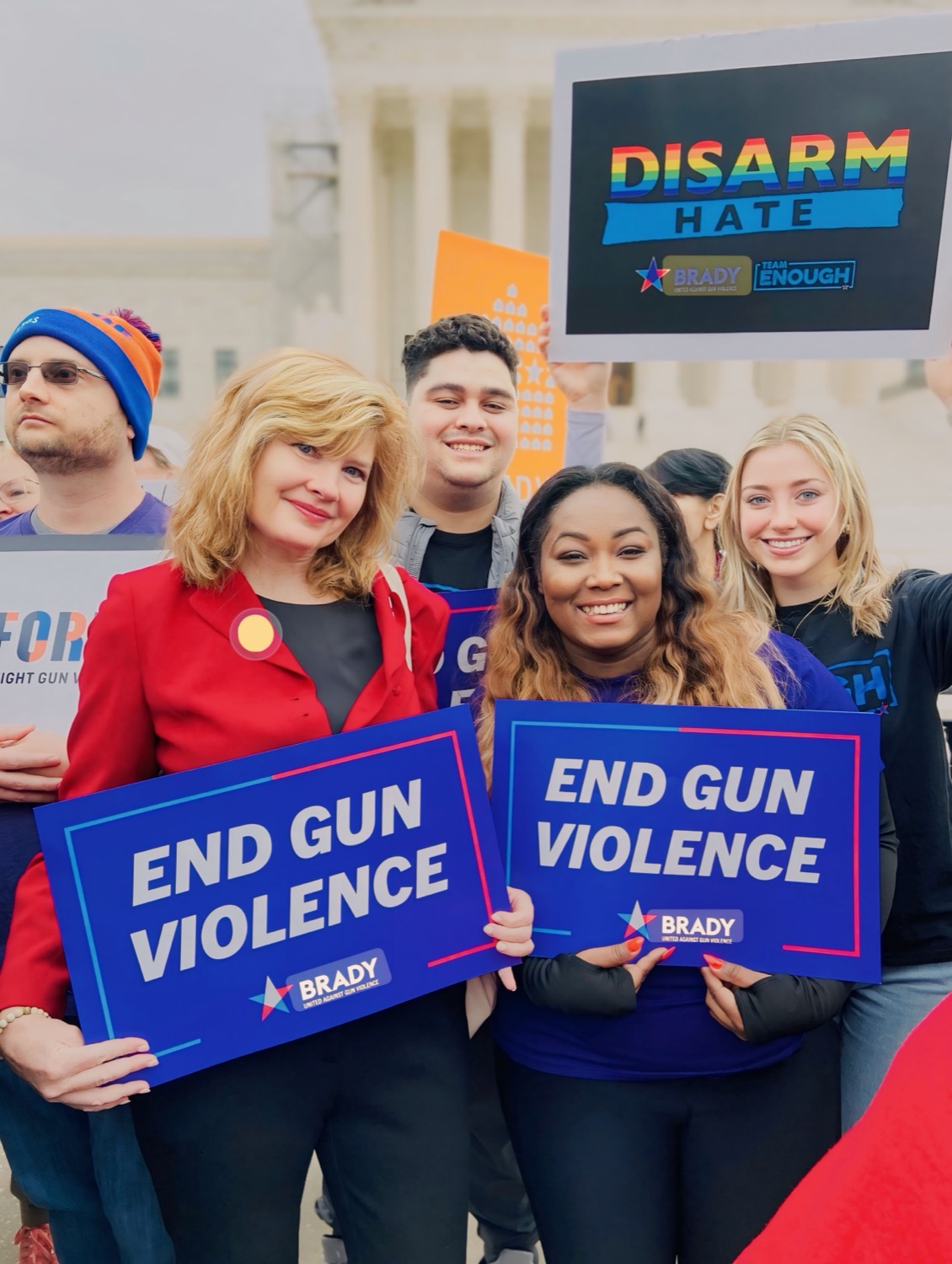
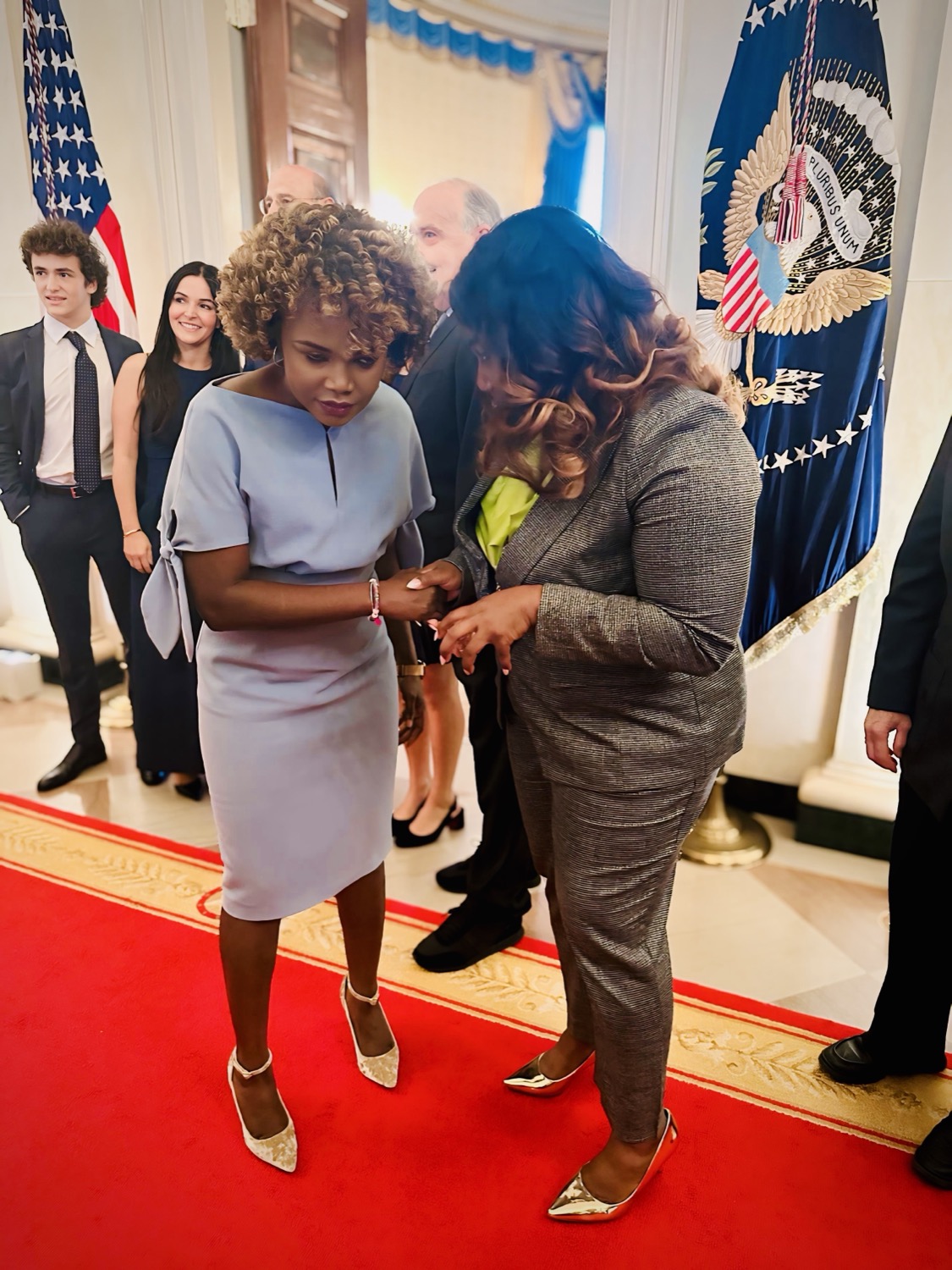
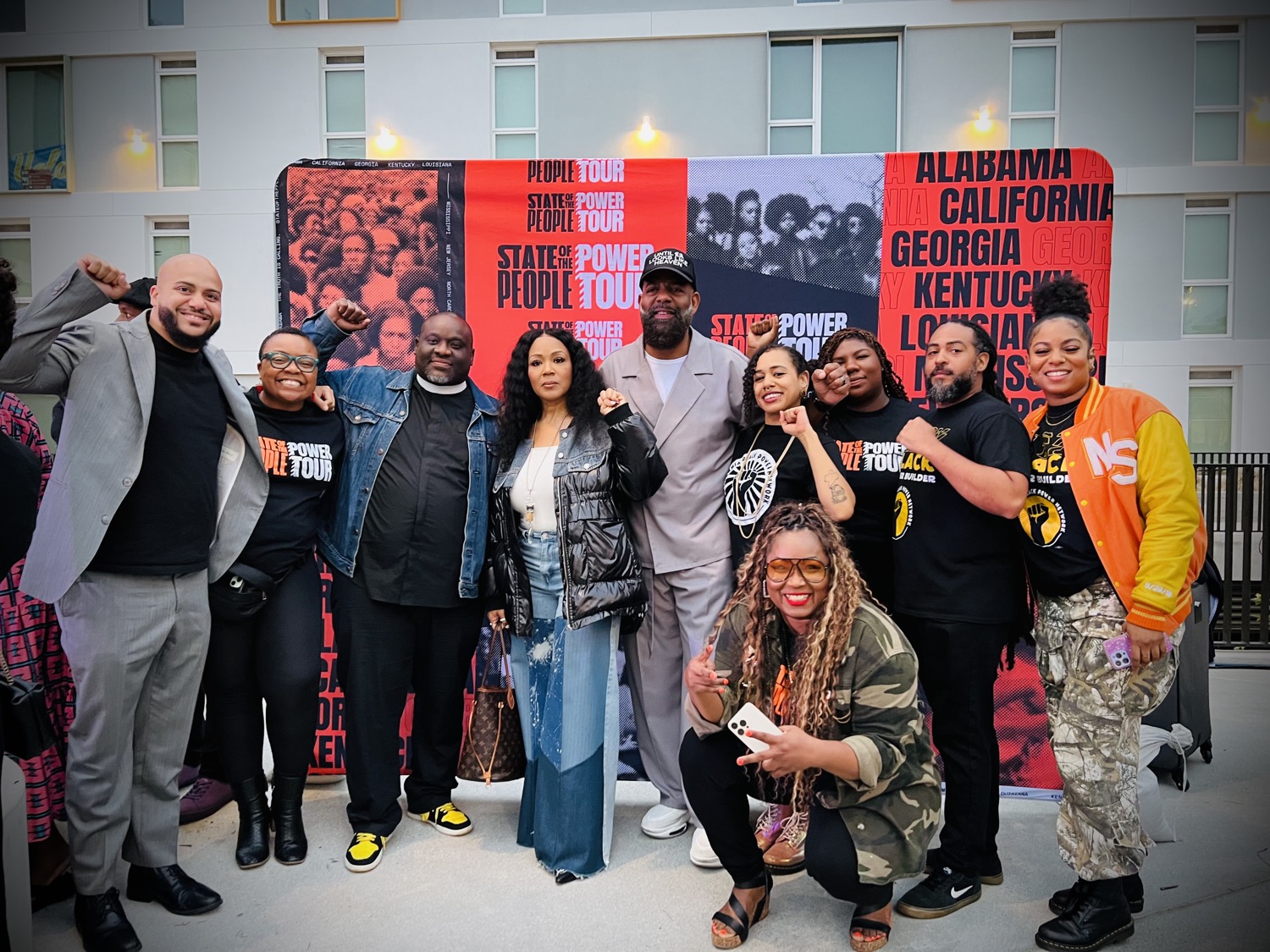
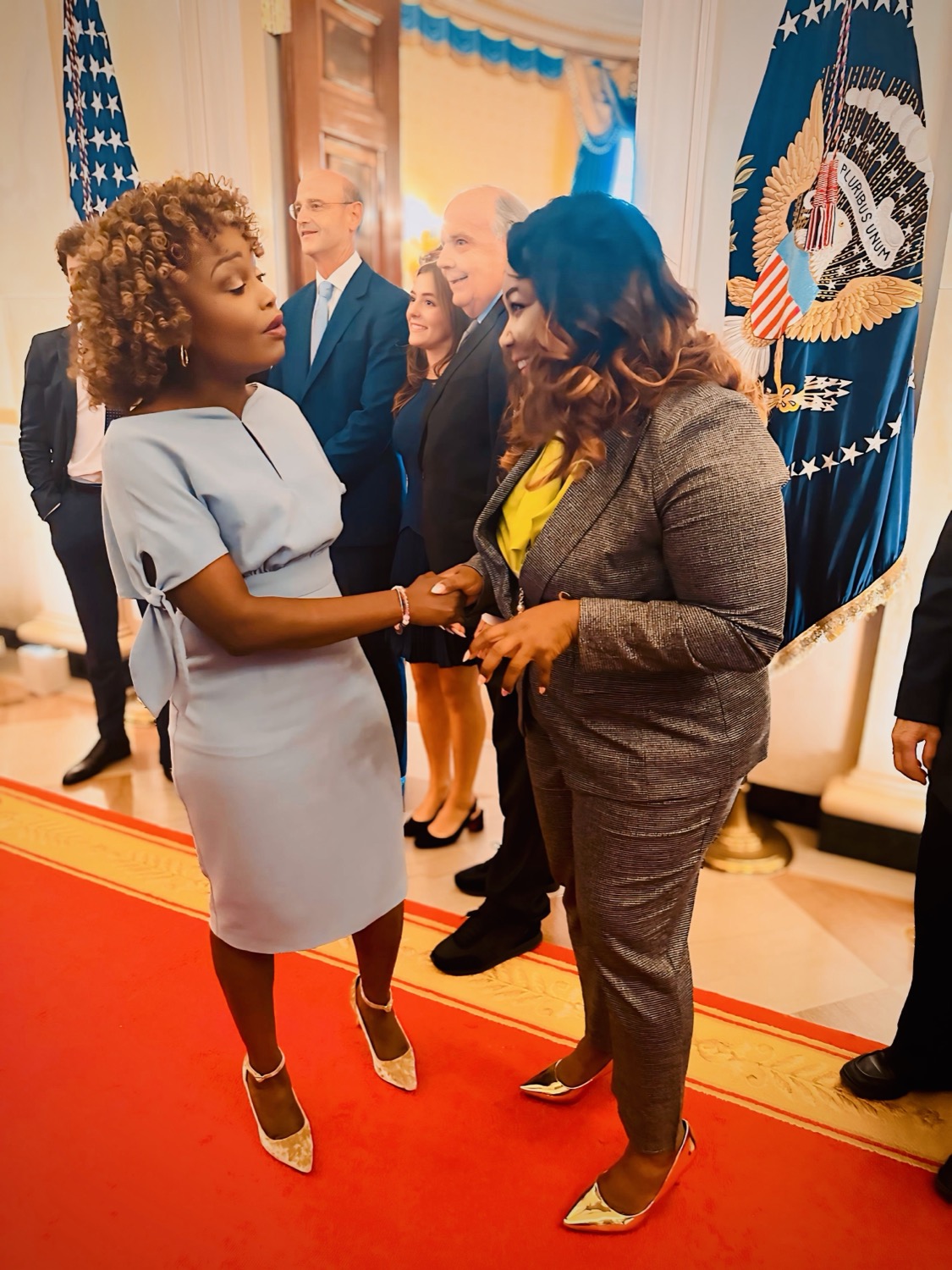
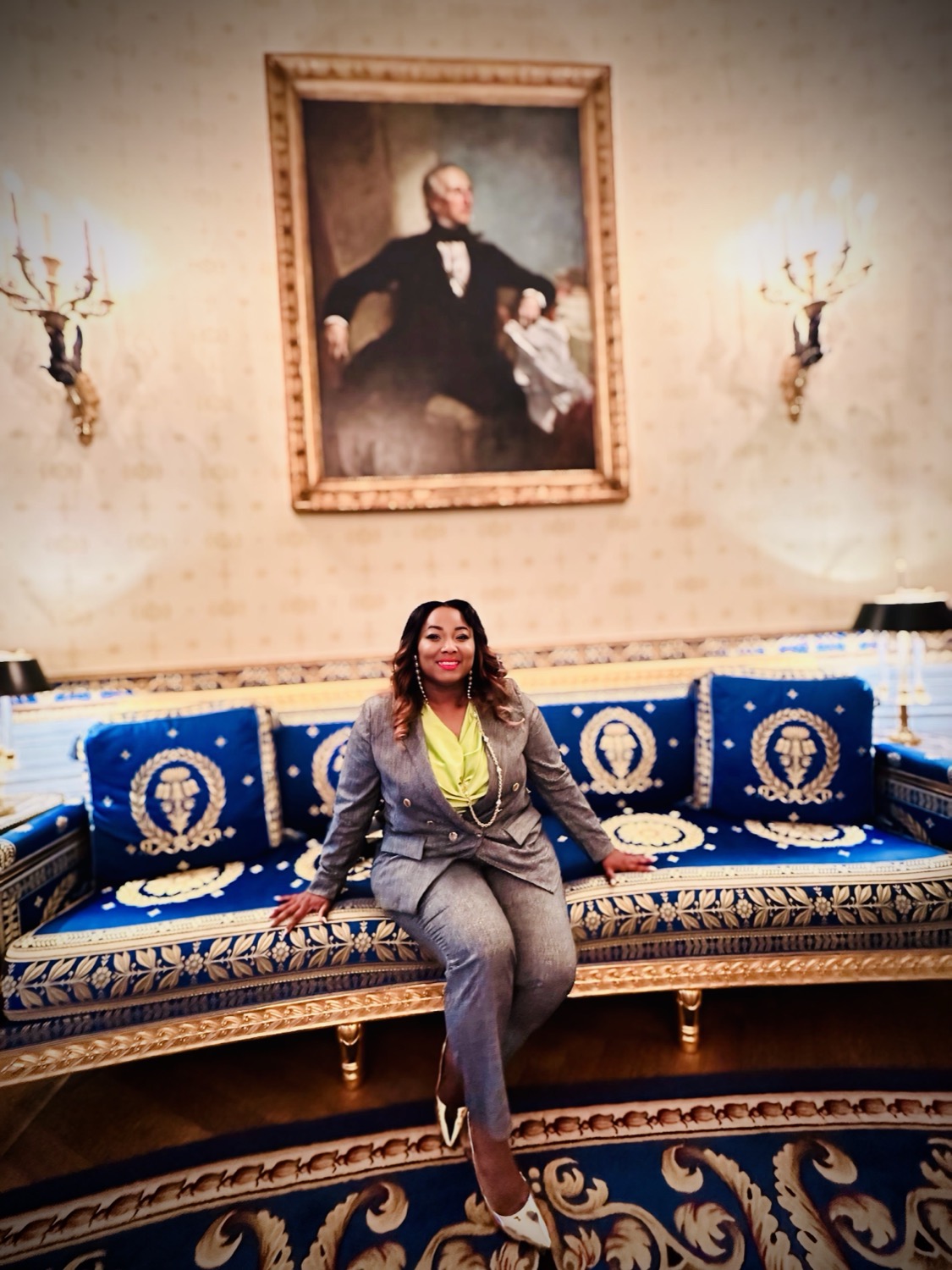
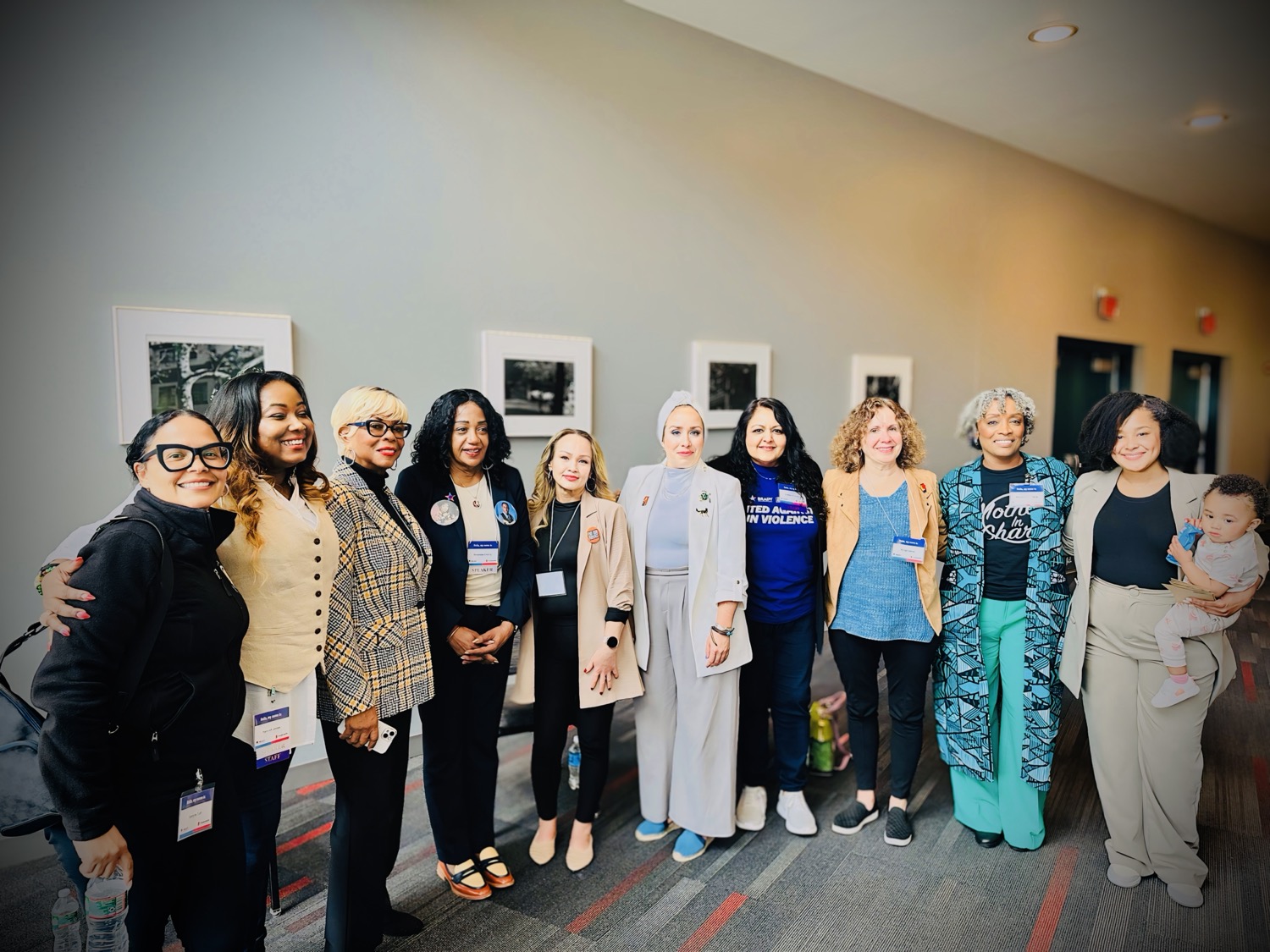
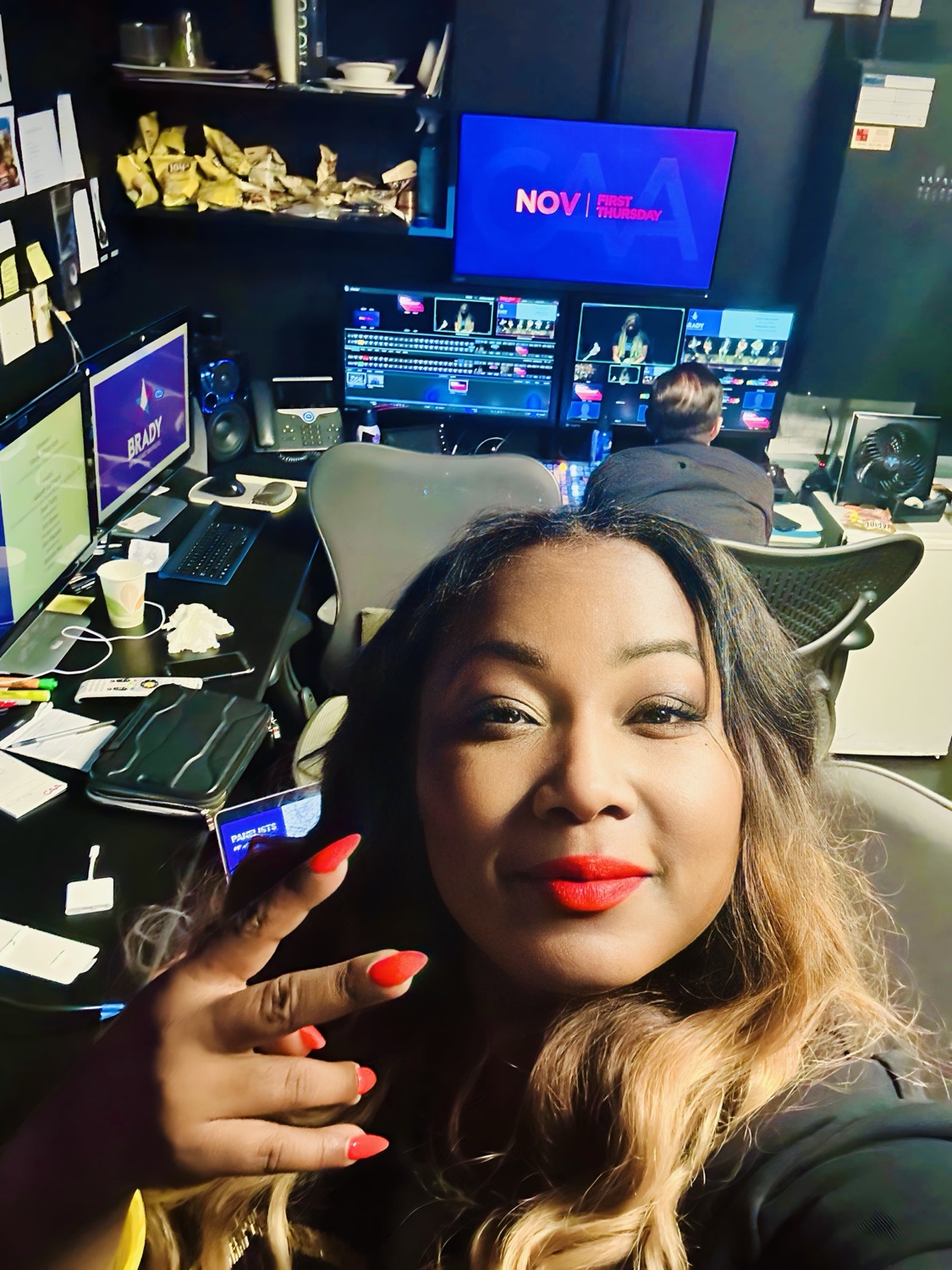
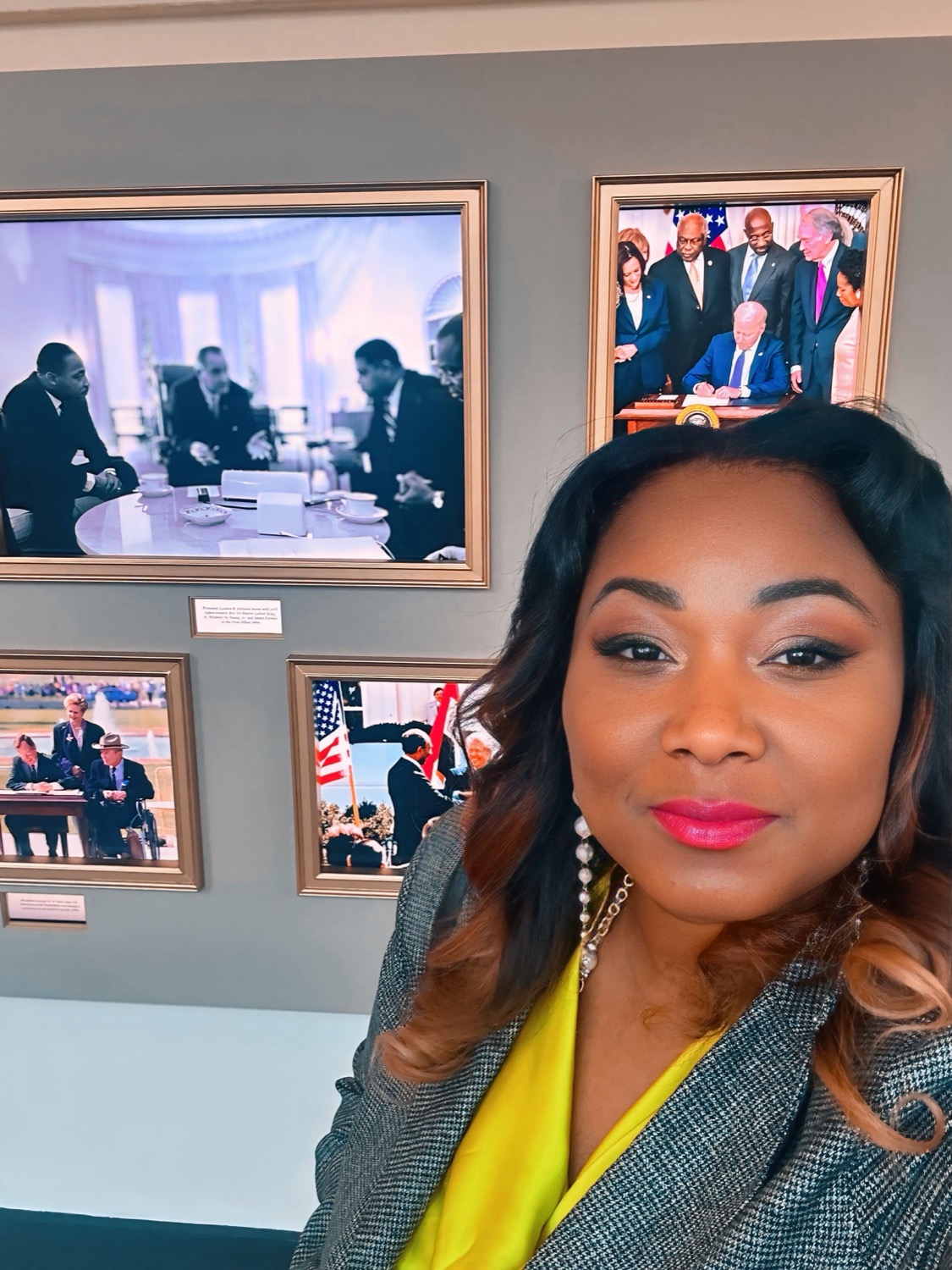
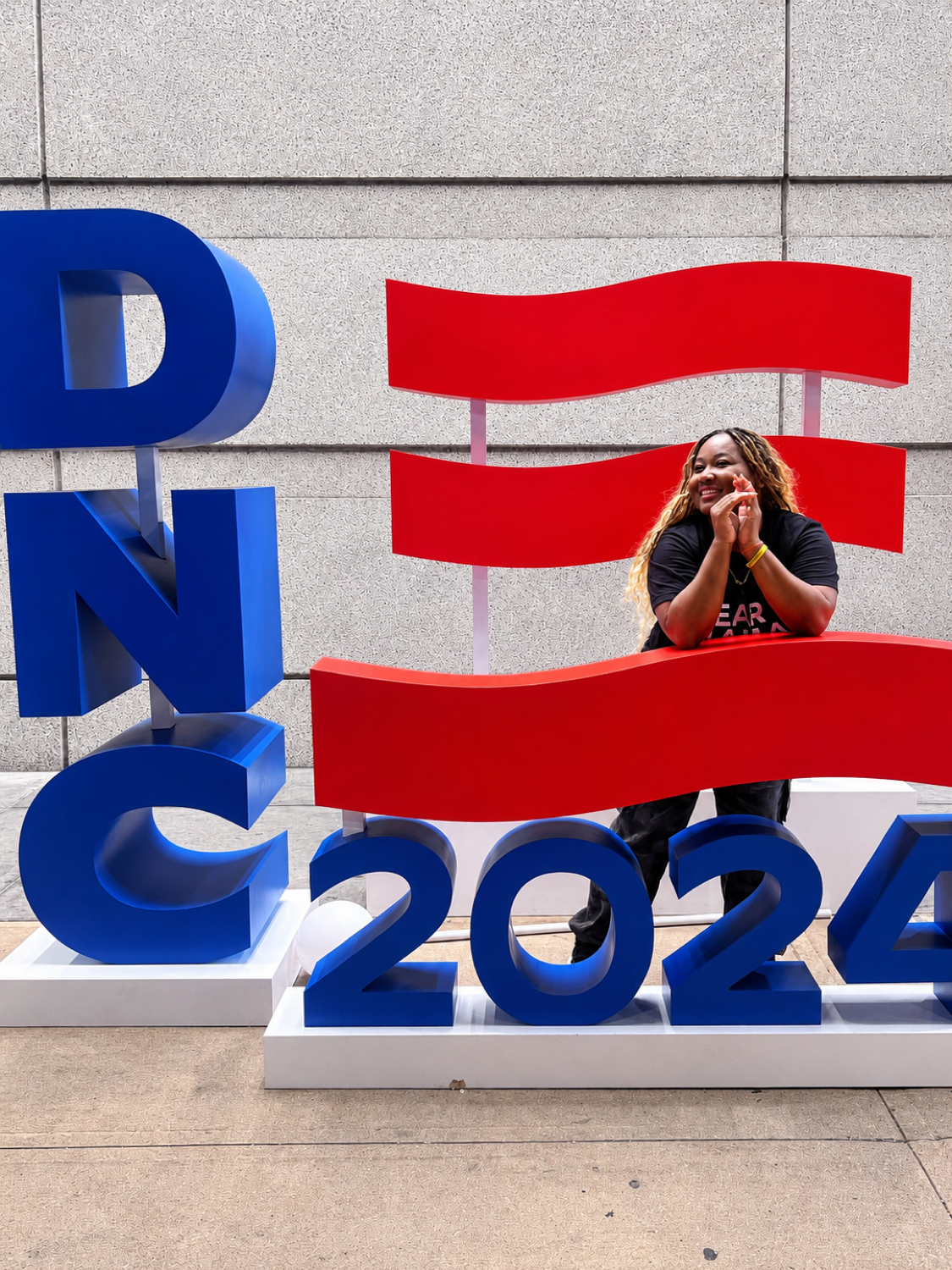
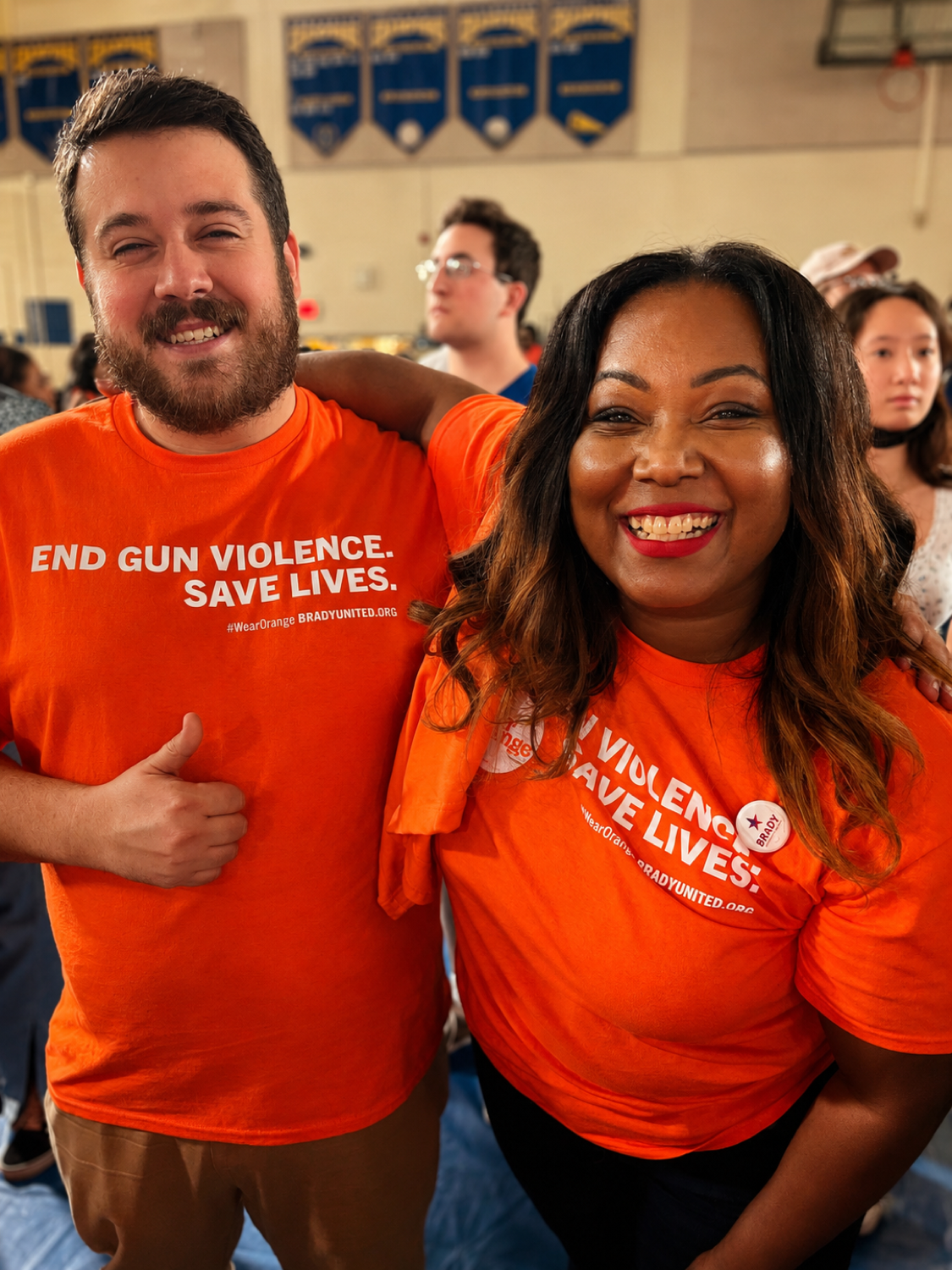
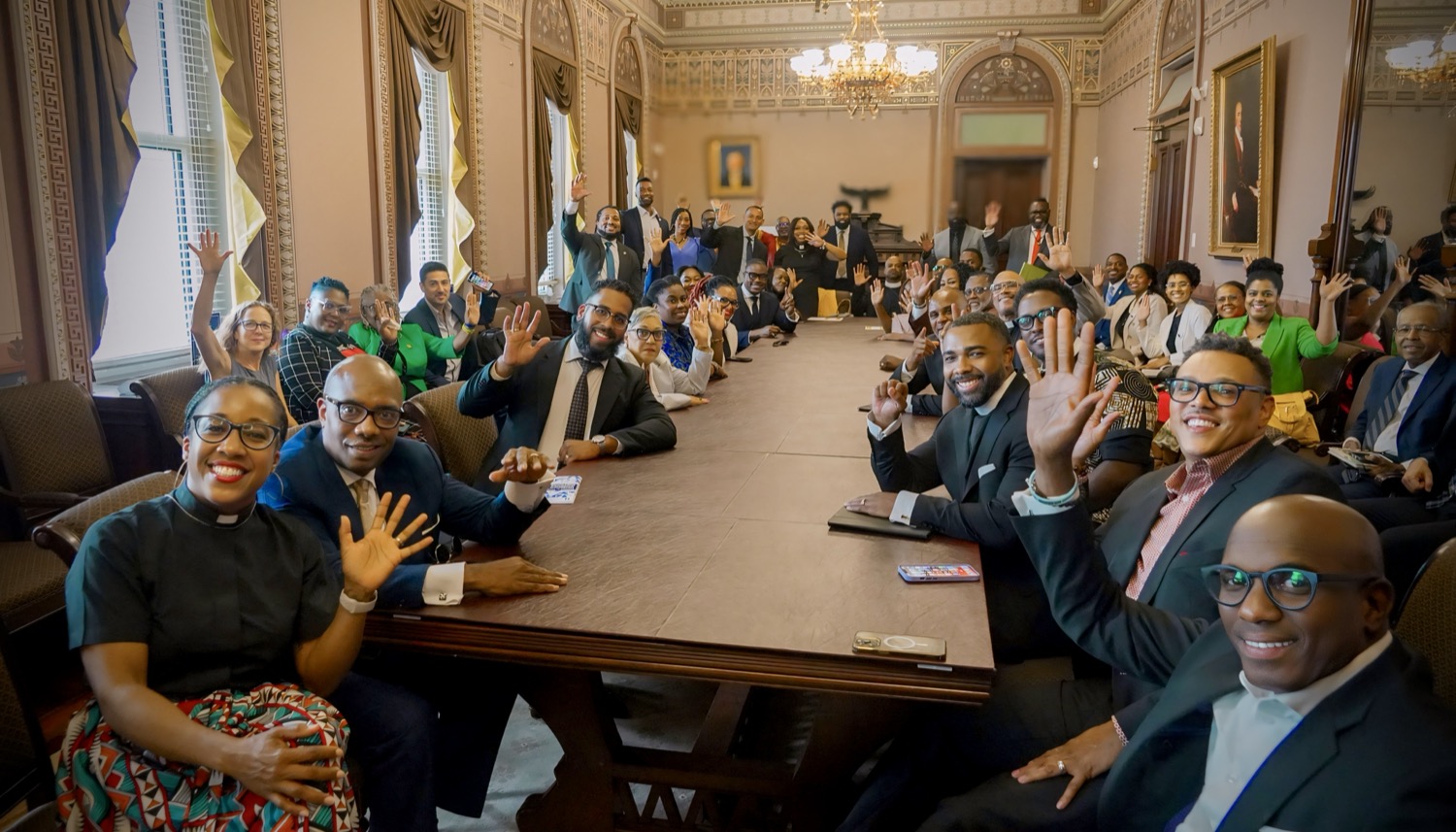
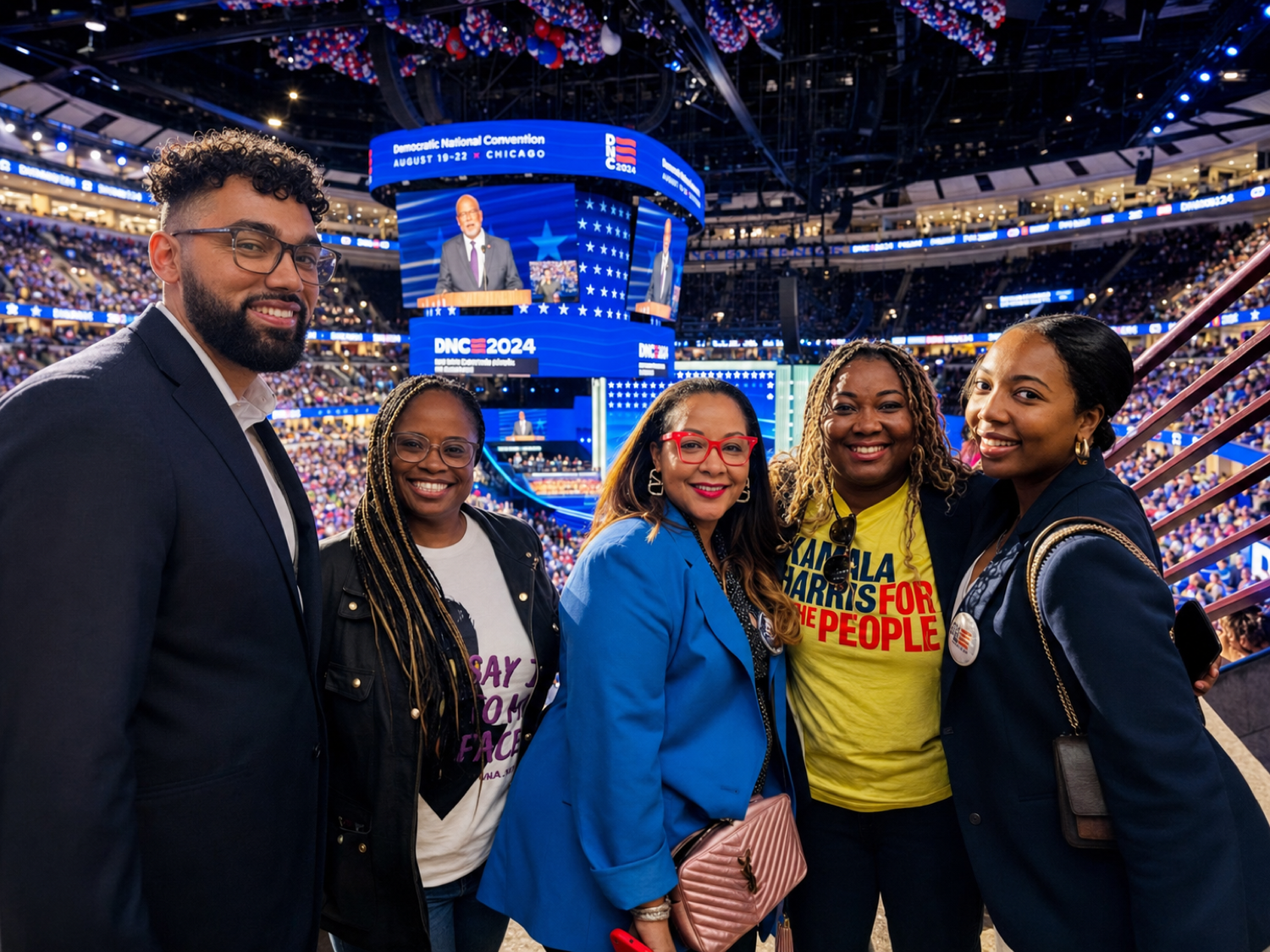
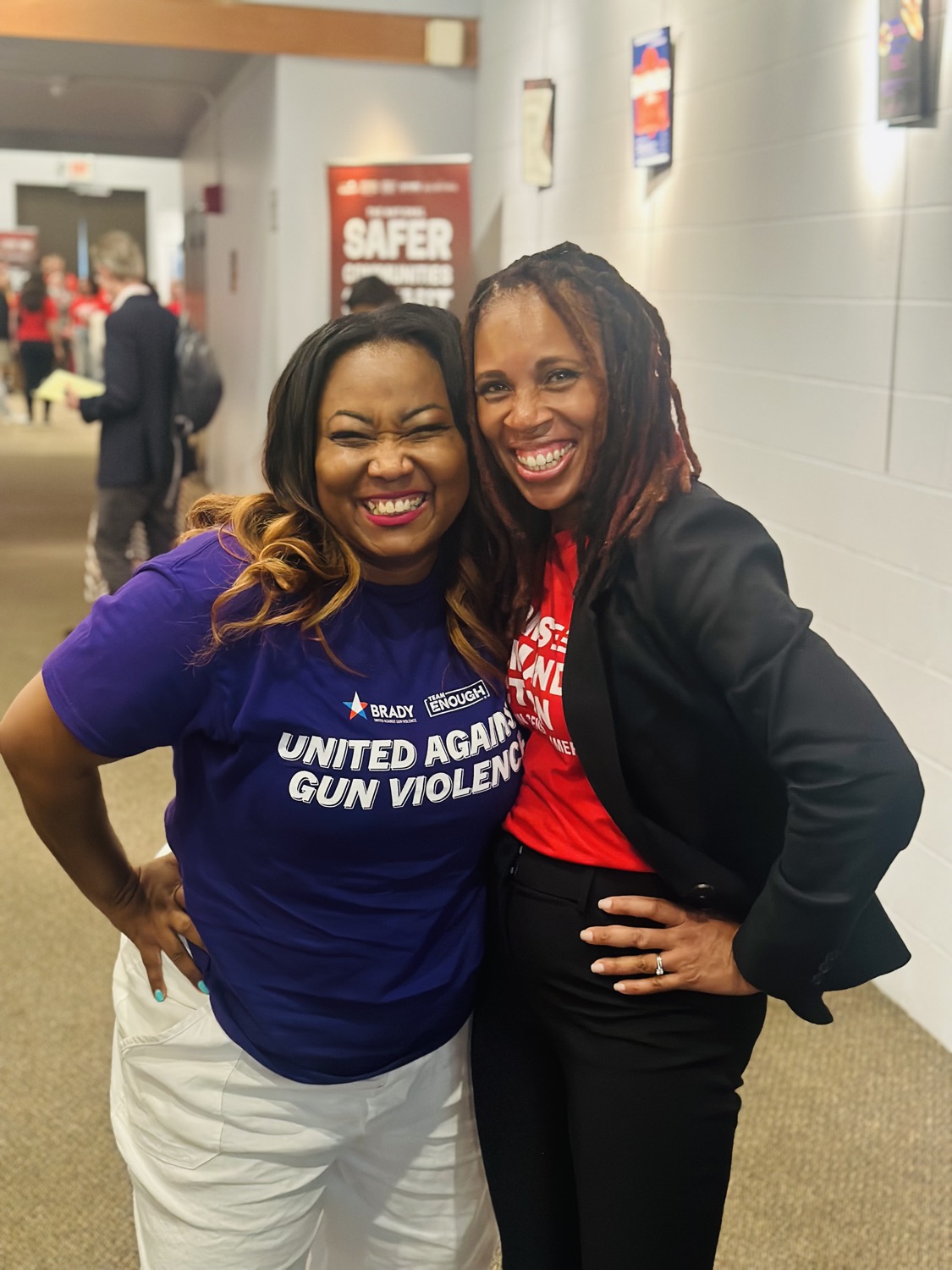
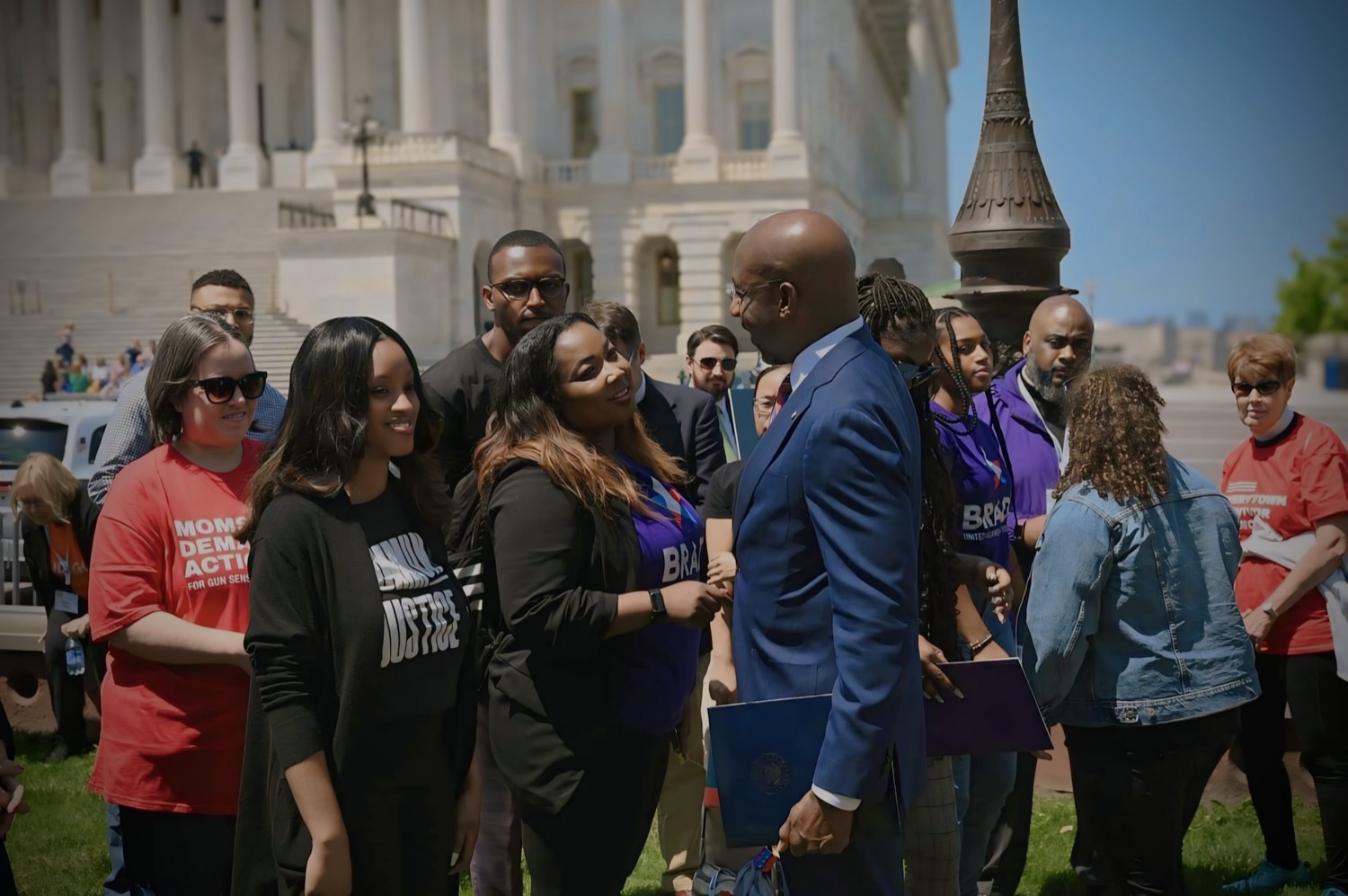
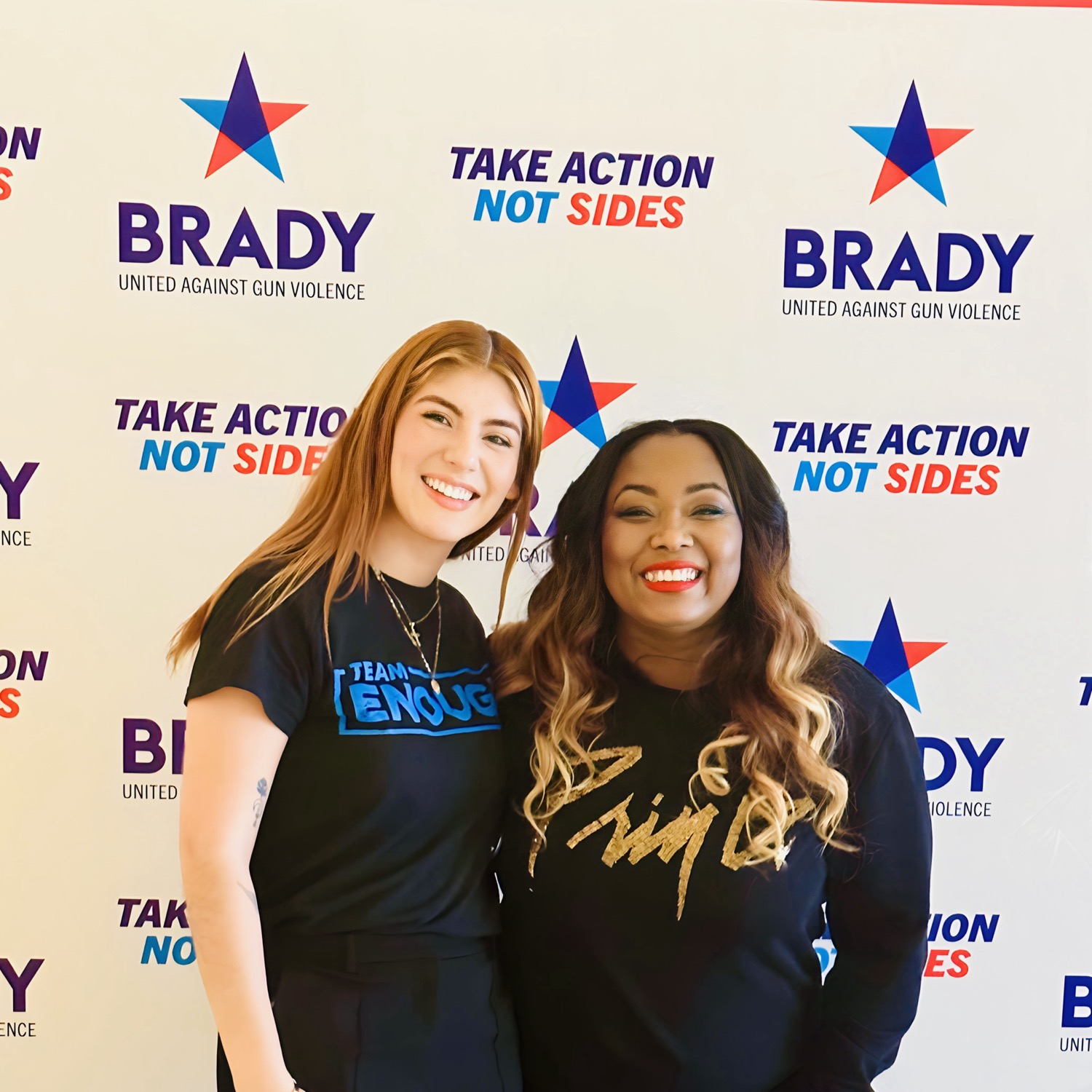
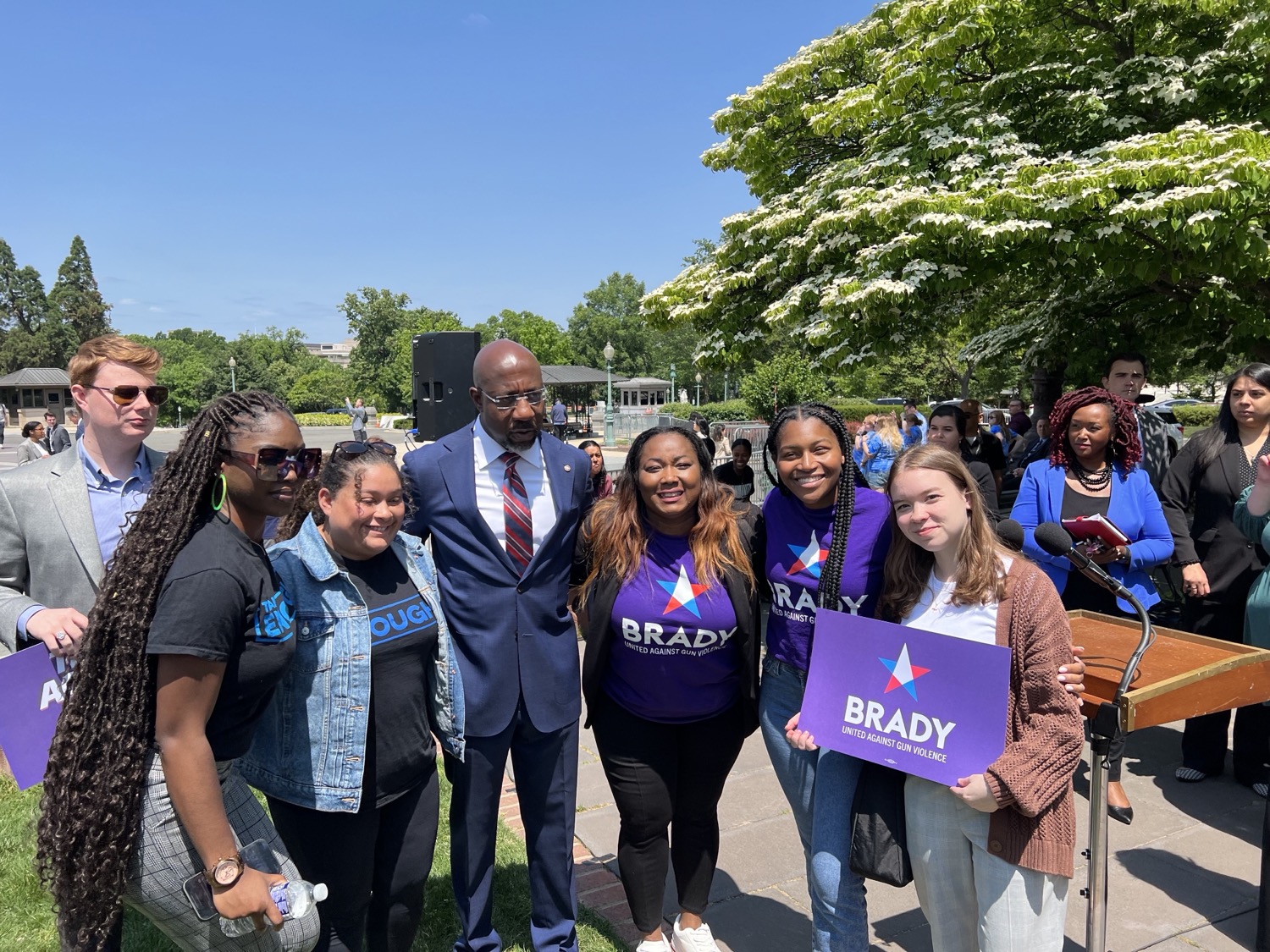
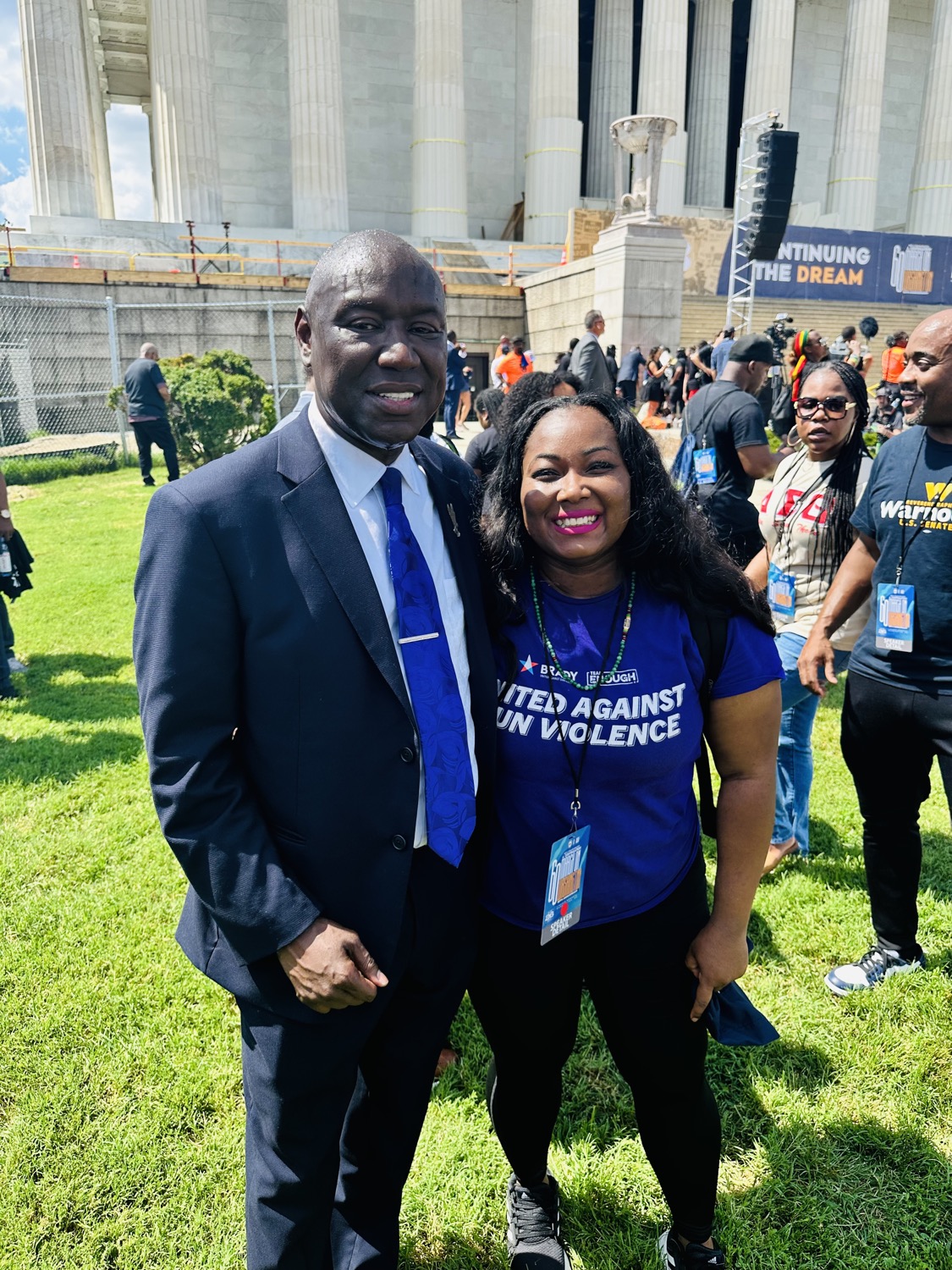
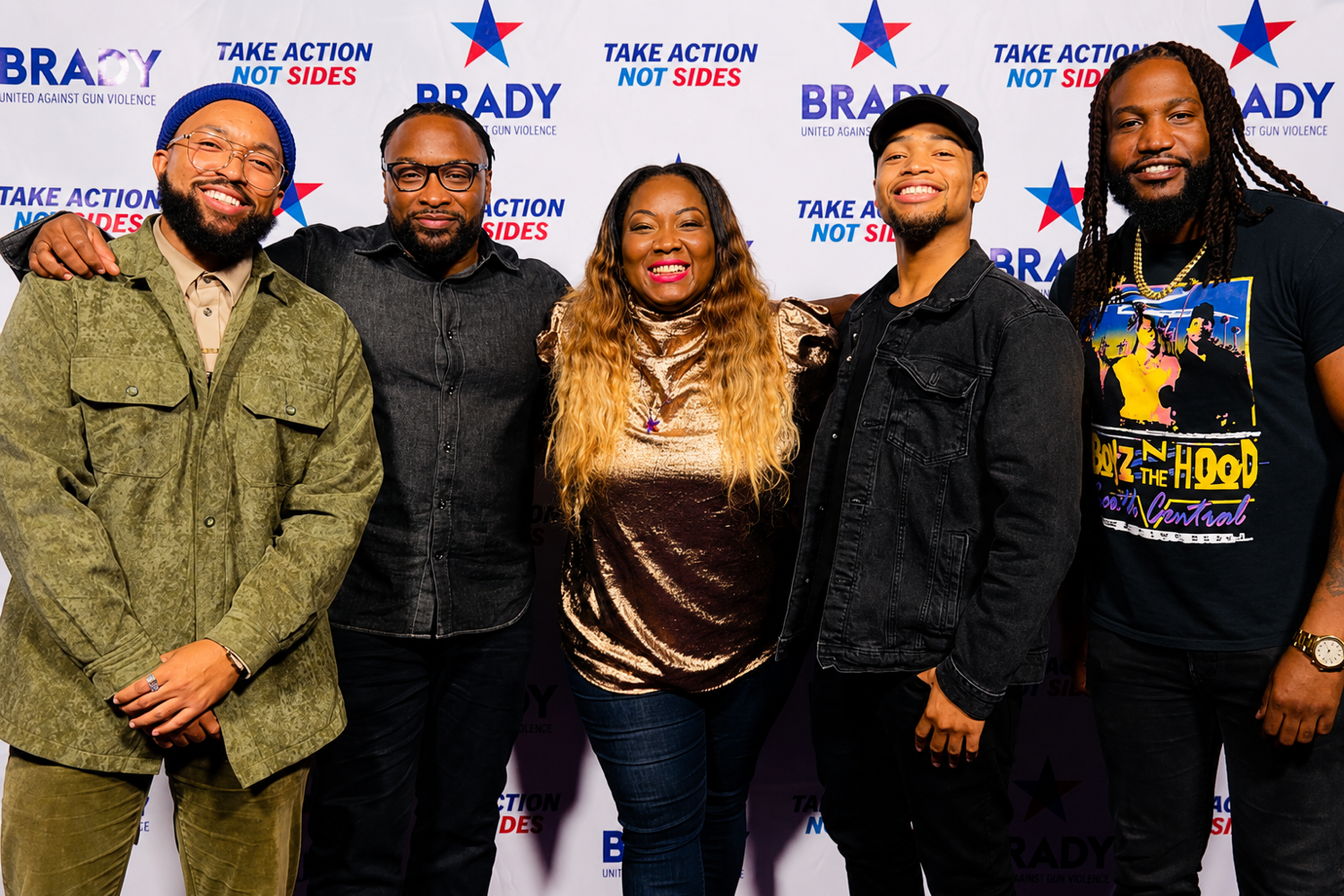
From local pulpits to the White House. She served as National Director of Organizing for Brady United Against Gun Violence, created the first NAACP Youth & College Division × Brady national gun-violence-prevention training, and co-designed Detroit's citywide Gun Buyback & Expungement Fair (250 firearms surrendered; 300+ residents connected to expungement and reentry). She has co-organized and advised faith leaders at the White House Office of Gun Violence Prevention, been invited by President Biden to federal policy signings and by Dr. Jill Biden to national recognition events, supported Vice President Harris' Fight for Our Freedoms College Tour, and helped mobilize Black church networks as a formal civic-engagement bloc at the Democratic National Convention, a first.
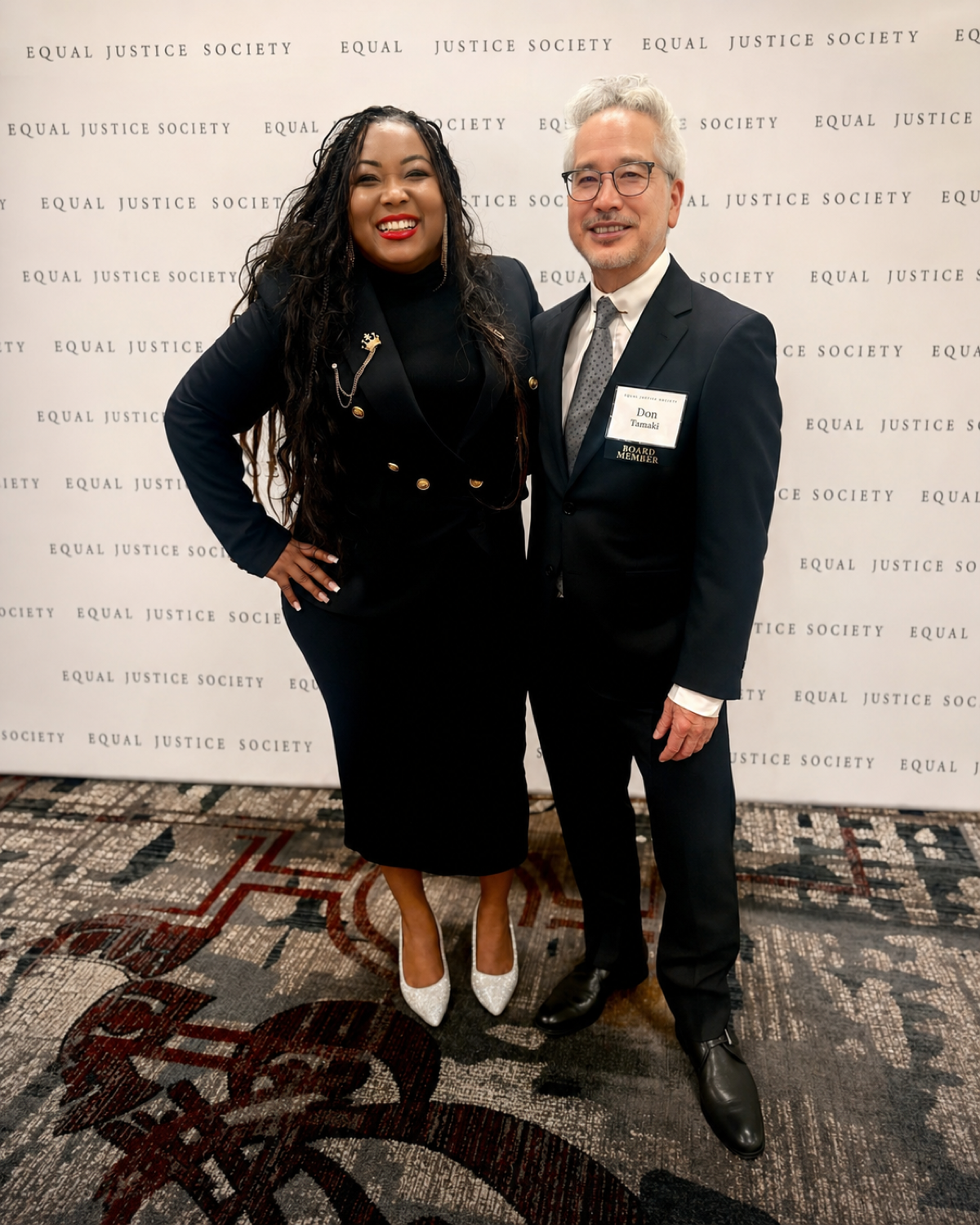
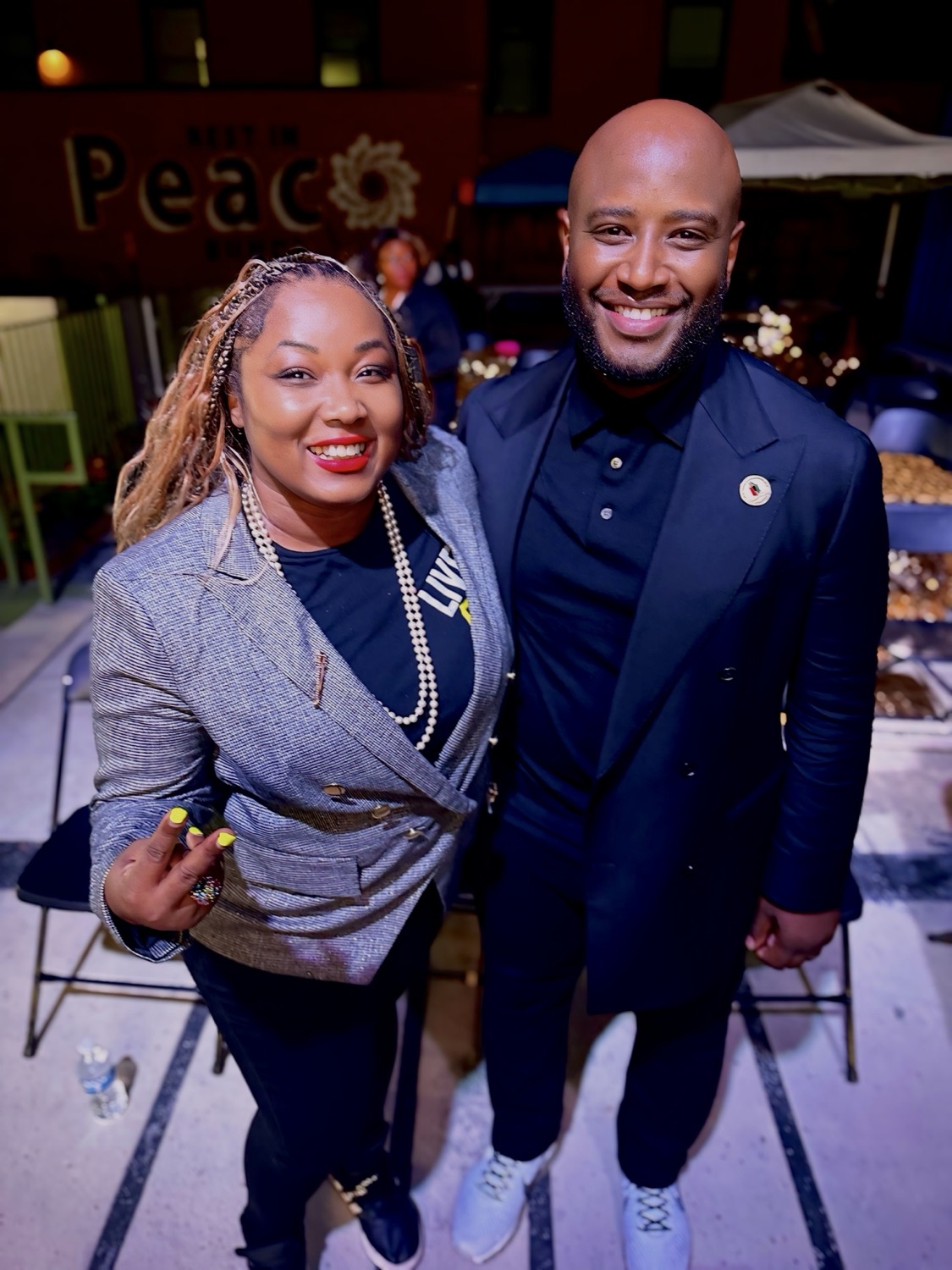
She lived the harm, organized the people, and built the campaigns, and she carries that work into national leadership, serving on the Board of Directors of the Ella Baker Center for Human Rights.
“Free and fair elections as we knew them are under threat, but giving up your power is never the answer. We make it fair. We make it free.”, HANNAH NAOMI JONES
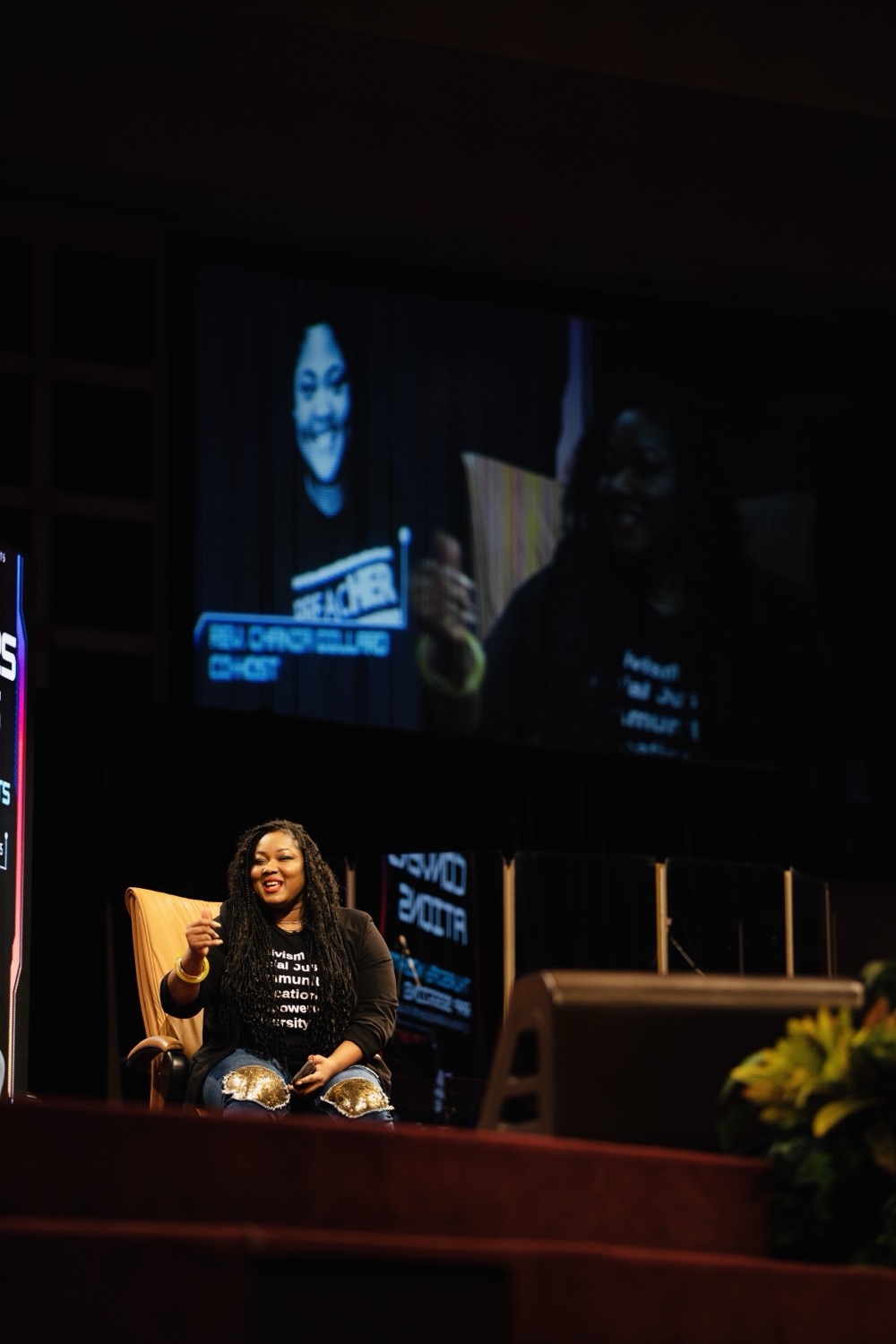
REFRAME COLLECTIVE.
Before a law can change, the story has to.
Hannah is a narrative power storyteller, and a historian of Black American history, culture, and the long arc of U.S. policy. Through the Reframe Collective, she calls on storytellers, artists, athletes, writers, and cultural workers to shift the narratives tied to the Big 12.
Culture has always carried the movement, across stage, screen, song, and sport. From Marian Anderson, Paul Robeson, Lena Horne, Nina Simone, Harry Belafonte, Sidney Poitier, Sammy Davis Jr., Alvin Ailey, Debbie Allen, Michael Jackson, Muhammad Ali, and Tommie Smith and John Carlos to Ava DuVernay, Ryan Coogler, Spike Lee, Lin-Manuel Miranda, Beyoncé, Kendrick Lamar, Viola Davis, Colin Kaepernick, Steve Kerr, and LeBron James, the people with a platform have moved what a nation believes, often at real cost, in industries that punish truth-tellers. When any of us can be silenced, all of us, the nurses, the teachers, the doctors, the everyday people, can be harmed.
It is the work Hannah does herself. As co-producer and cultural strategist on the docuseries POUR'D, she co-pitched to Shondaland, Get Lifted, State Street Pictures, G-Unit, Cinema Gypsy, Bird and a Bear, I'll Have Another, and Field House; she is executive producer of VINGWENGWE; and she is building toward telling more of these stories through screenwriting, playwriting, and producing. The Reframe Collective is her call to every culture-maker: keep going, narrative isn't decoration. It is how we reframe what is possible.
The most powerful person in the world is a storyteller. Through intentional storytelling, you gain the hearts, minds, and power of the people.
Culture shapes what people believe is possible; policy decides what systems are required to do.
THE POWER WE HAVE LEFT.
“We are not lacking passion. We are not lacking people. We are lacking strategy and power alignment.”, HANNAH NAOMI JONES
Visibility is not the same as power. Power moves when it is organized, not when it is politely observed. So this is the framework Hannah builds and teaches: three lanes we must build, and four powers we still have.
Three lanes, pick one or two
1
BUILD
Alternative systems, survival infrastructure. Mutual aid, community food, childcare exchanges, emergency funds, and voter protection. If the system fails, what catches your people? That is the assignment.
2
RESIST
Organize and mobilize, power, not just presence. Build people into structure, activate them toward a goal, and apply sustained, collective pressure that actually shifts outcomes.
3
SHAPE
Strategic partnerships, what comes next. Coalitions, negotiation with aligned power-holders, and policy strategy. Not performative unity, functional alignment, building the future on our terms.
You cannot carry all three without burning out. Individuals pick a lane. Movements cover all three.
Four powers we still have
Litigation
We are a case-law society. Courts create record, precedent, and receipts. They are slow, so pair them with narrative, pressure, and organizing.
Advocacy
Call. Write. Show up. Constituent pressure is a lever, and giving it up guarantees silence. They are counting on us to give it up.
Organizing + Mobilizing
The most underdeveloped muscle we have. Learn it, practice it, apply it in real time, not in theory, in action.
Voting
Not just voting, fighting for the conditions that make a vote real: free, fair, and accessible. Without that, everything else shifts.
And the through-line of all four is narrative, it shapes what people believe is possible. For the mother afraid of gun violence, the student whose loans vanished, the families going hungry, and everyone the headlines forget: the greatest gift we have is each other. You can organize from your living room, your church, your block, the way Black communities always have, when organizing wasn't a social-justice matter but a matter of survival.
We have everything we need. #BuildResistShape
WHEN WOMEN LEAD, NATIONS CAN REST.
Scripture tells us Deborah was a prophet, a judge, a strategist, and a mother in Israel. When the people were under threat, she rose with wisdom, courage, and alignment, and helped lead them toward deliverance.
“And the land had rest forty years.”, Judges 5:31
When Deborah led, the people did not just survive the battle. The land found rest. That is the word for this moment.
Black women have too often been asked to carry nations that refused to carry them back, families, movements, churches, classrooms, campaigns, elections, institutions, and democracies, often underpaid, pushed out, disbelieved, and denied the rest, resources, and safety their labor made possible. But Black women were not created for endless extraction. The suffering was never the assignment. Repair was.
“A man's gift maketh room for him, and bringeth him before great men.”, Proverbs 18:16
Gifts make room. But responsibility decides what we build once we enter it. The room is an assignment: to tell the truth, protect the vulnerable, build what the people need, and use power in service of repair.
“And who knoweth whether thou art come to the kingdom for such a time as this?”, Esther 4:14
This is not a call for Black women to carry more. It is a call for everyone to build differently: Trust Black women. Resource Black women. Protect Black women. Believe Black women. Follow Black women when they are leading with wisdom, courage, and alignment, and then join the work.
The Advocacy League is for the builders, for the mothers, the organizers, the students, the faith leaders, the artists, the voters, and the communities closest to harm. For everyone ready to build vibrant, just, equitable, healthy, and sustainable communities where all people have the power to thrive.
For such a time as this, we build.
Know your power. Build your power. Wield your power. Leverage your power.
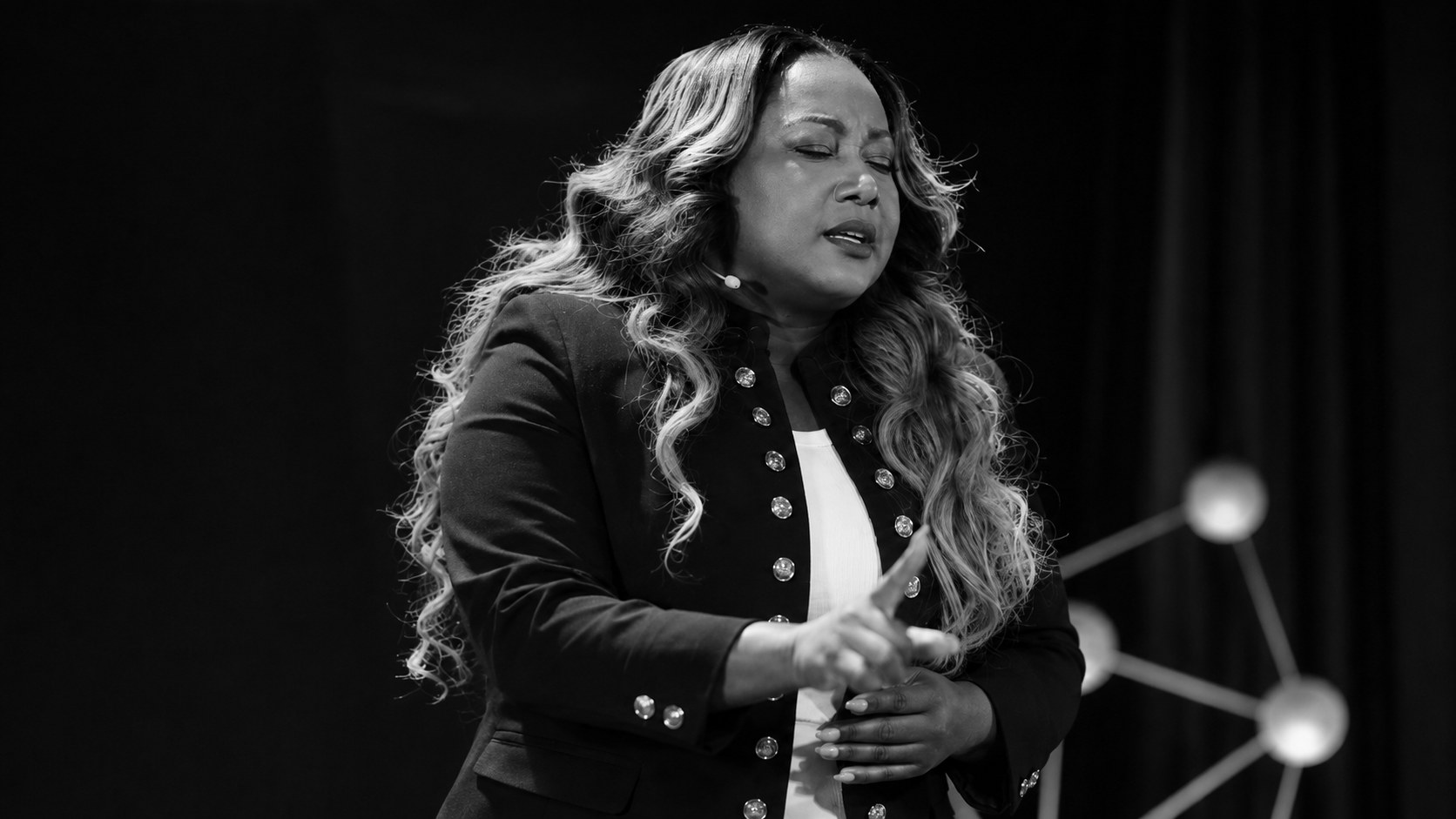
An idea with the intention to make an impact deserves a strategy that will change the world.
Hannah Naomi Jones
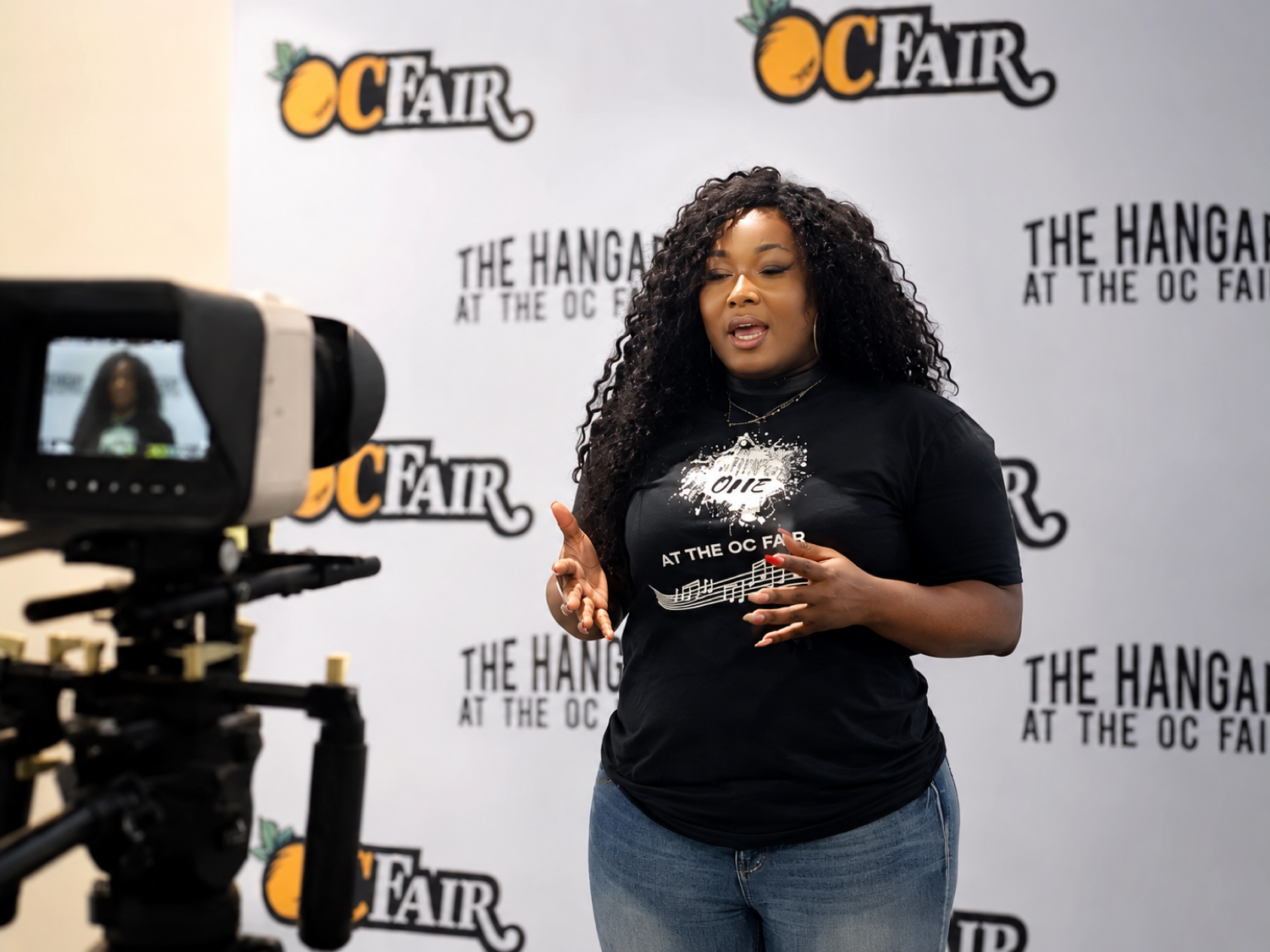
Her voice and work, featured in
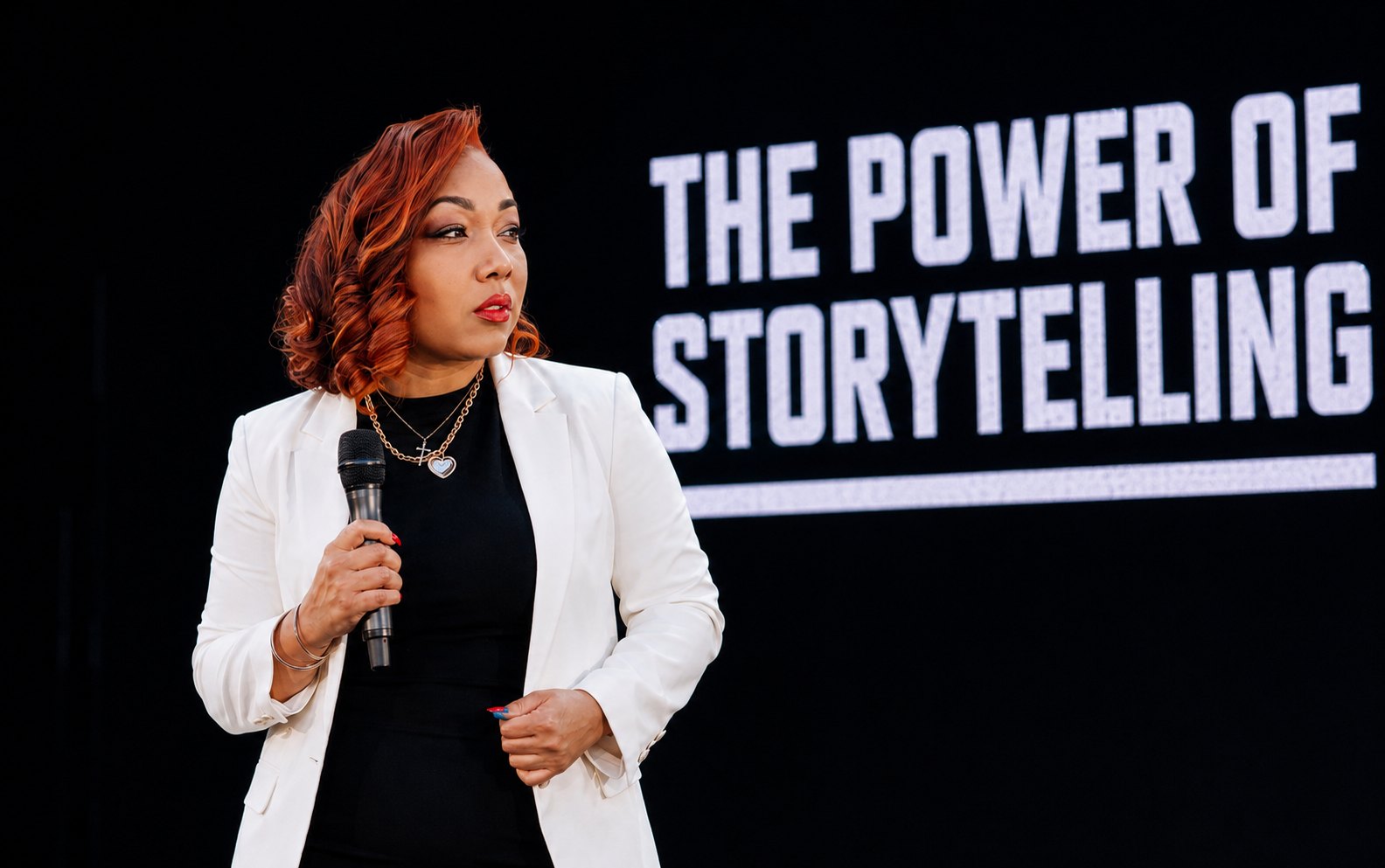
INVITE HANNAH TO SPEAK.
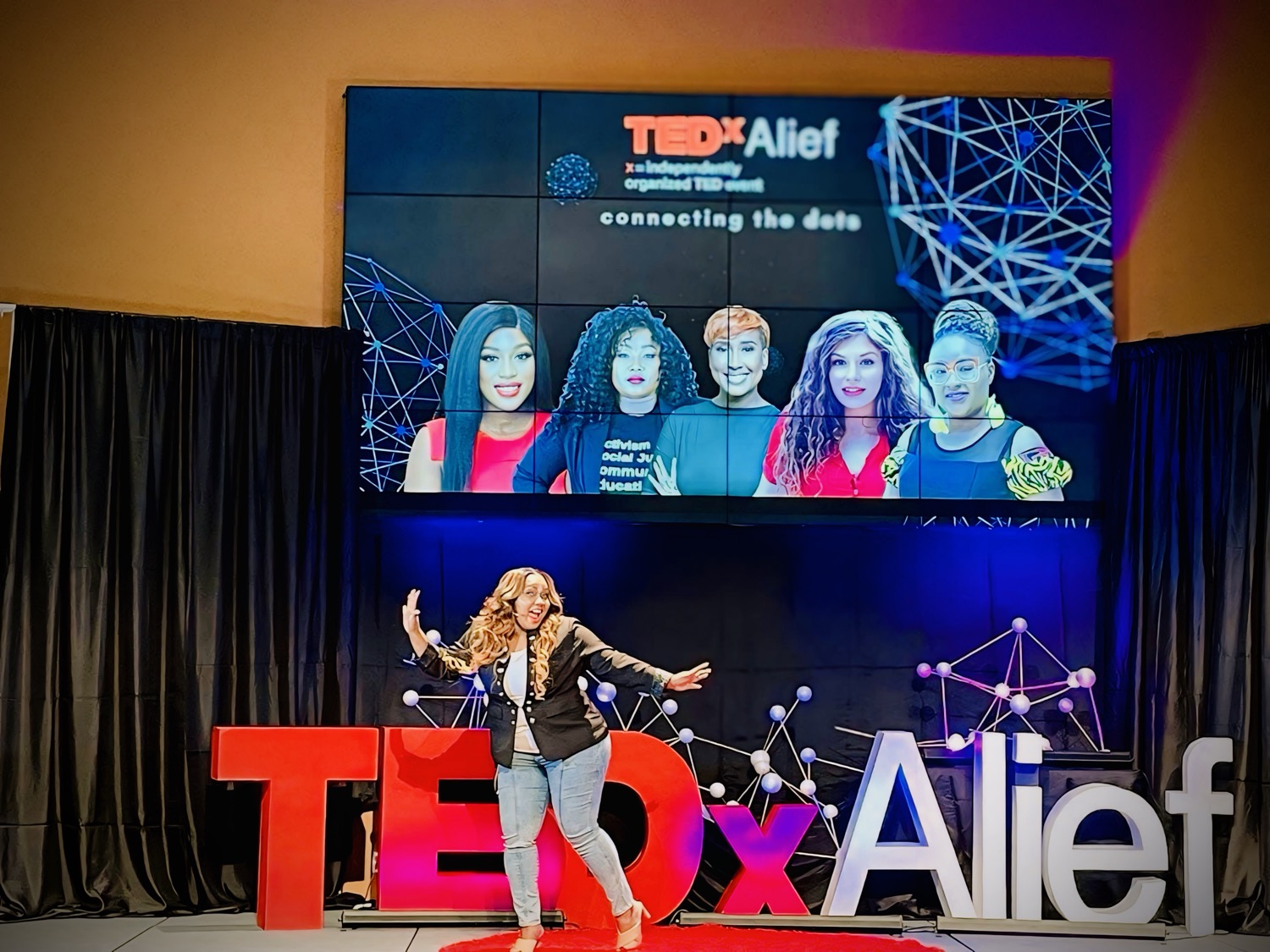
Keynotes, workshops and trainings, preaching and worship services, panels, and strategy, for conferences, campuses, congregations, and coalitions. Tell us about your event, or email hello@theadvocacyleague.org.
Join the LeagueLEAVE A TESTIMONY.
In the tradition of testimony, we tell the truth about what we've seen and what's been built. If you've organized, built, worshipped, partnered, or won alongside Hannah, bear witness. Testimonies are reviewed before they're published.
“Hannah has a remarkable ability to see beyond what is and imagine what could be. She brings together intellect, strategy, compassion, and a genuine commitment to people in a way that makes her presence impactful in any space she enters. What I appreciate most about Hannah is that she does not simply talk about change. She thinks deeply about how to make it meaningful, sustainable, and centered on the people it is intended to serve. She is thoughtful, driven, and deeply committed to making a difference. I have tremendous respect for the gifts and perspective she brings to her work.”
“I was one of Hannah's students. She didn't just teach the subject. She pushed us to think about how we'd change the systems we were training to work inside, not just fit into them. That stuck with me, and it's how I show up in social work now.”
 Jasmine R.Former student, now a social worker
“I've worked alongside Hannah on things I won't name here. What I'll say is that she's usually the person quietly making the strategy actually work. I've learned more watching her than in most rooms I've been in.”
 A colleagueName withheld
TWO DECADES OF POWER BUILDING, STORYTELLING, RELATIONAL ORGANIZING & IMPACT.
From the pulpit to the Capitol to the people, two decades of showing up, building relationships, and turning them into power.